Reviewed · REYKJAVIK TOURS
The Great Round Tour: Around Iceland in 13 Days
Iceland’s Great Round Tour does what few guided trips manage: it takes you beyond the familiar Golden Circle and Ring Road to the remote Westfjords, the northern fishing towns, and quiet farm valleys. In 13 days, you cover roughly 3,200 to 4,200 kilometers, depending on the route and road conditions, with waterfalls, glaciers, volcanoes, lava fields, bird cliffs, and black and red beaches along the way.
I like two things right away. The group is capped at 12, which makes long drives and small guesthouses far more personal than a large coach tour. I also like that Jens Olafsson handles the daily details, from hotel check-in to route changes, while adding useful history and Icelandic folk stories. The main drawback is the pace: you change hotels often, spend many hours on the road, and need moderate fitness for walks and short hikes.
Key things to know before booking
- The Westfjords are the big differentiator: You travel through some of Iceland’s least populated country, including Dynjandi, Látrabjarg, Rauðasandur, and Súðureyri.
- Meals remove much of the daily guesswork: Twelve breakfasts and 11 dinners are included, but you pay for every lunch, drink, and other unlisted service.
- Expect a moving trip: You sleep in a new place most nights, including distinctive farm and country accommodations.
- The best activities are mostly outdoors: The tour includes walks to Svartifoss and Grábrók, coastal strolls, waterfall stops, and time near glaciers and lava fields.
- It is a sightseeing tour, not a luxury coach holiday: The vehicle is practical rather than lavish, but the small group helps create a friendly atmosphere.
- Weather can change the plan: The operator can alter the route because of weather or other conditions beyond its control.
Why this 13-day route covers far more than the Ring Road
Many Iceland trips circle the island and stop at the country’s famous southern and northern sights. This one adds the Westfjords, a major reason to choose it. You reach remote coastline, small fishing villages, and roads that large tour operators often leave out.
That extra reach comes with a cost. You are not simply spending two or three nights in a base town and taking short outings. The route keeps moving, and some days pack six stops into a long drive. I would choose this tour if seeing a broad cross-section of Iceland matters more to you than having a slow, settled holiday.
The price is listed at $7,228.71 per person. That is a substantial sum, but it includes 12 nights of accommodation, 12 breakfasts, 11 dinners, a guide, the Skogar Museum, and the boat ride at the Glacier Lagoon. Iceland is expensive on its own, and a self-drive trip would also require a vehicle, fuel, accommodation, meals, route planning, and weather-related flexibility.
The value improves if you want someone else to manage the driving and nightly check-ins. It is less compelling if you prefer to choose your own hotels, eat inexpensive supermarket meals, or spend several days in one place. Lunches are not included, and food and drinks in Iceland can add up quickly, so budget for those daily costs.
A few more Reykjavik half-days worth a look
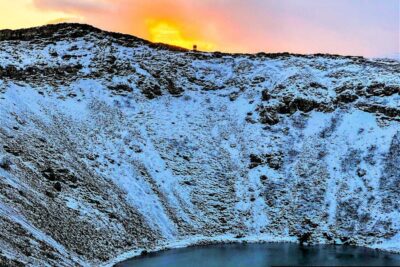
- Reykjavik: Golden Circle Full-Day Tour with Kerid Crater
★ 4.8 · 24,485 reviews - Reykjavik Food Walk – Local Foodie Adventure in Iceland
★ 5.0 · 18,952 reviews - Iceland: Northern Lights Bus Tour from Reykjavik
★ 4.1 · 11,161 reviews
Days 1 to 3: From Reykjavik to the Golden Circle and South Coast
Day 1 is simple. You make your own way to Hotel Klettur in Reykjavik. Since the tour begins with a hotel arrival rather than a full city program, I would consider arriving a day or two early if you want time for Reykjavik itself.
Day 2 opens with Þingvellir National Park, where Iceland’s old parliament met and the ground reflects the country’s dramatic geology. One hour gives you time to walk around the main area and take in the setting, though it is not enough for an extended hike.
Next comes Gullfoss, the Golden Waterfall. Allow about 90 minutes here. The water drops through a rugged canyon, and the viewing paths can feel exposed in poor weather. Good footwear and a waterproof layer matter more than fashionable clothes.
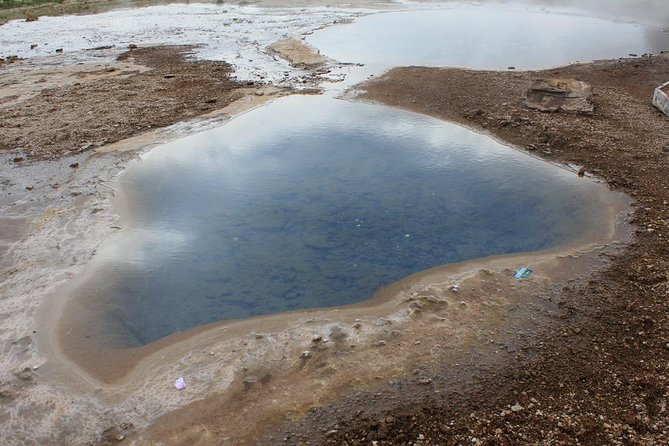
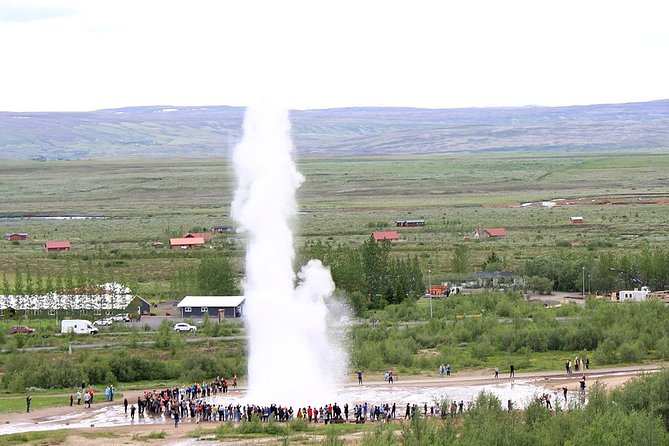
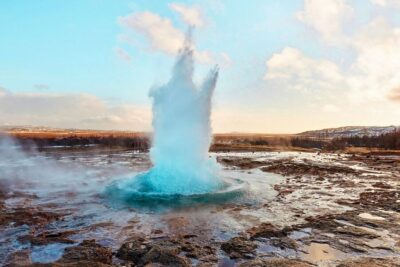
The day ends at the Geysir geothermal area. You have about an hour to see steaming ground and erupting hot water. These three stops form Iceland’s best-known sightseeing circuit, but the tour does not stop there. The following days quickly shift from famous names to less polished, more remote places.
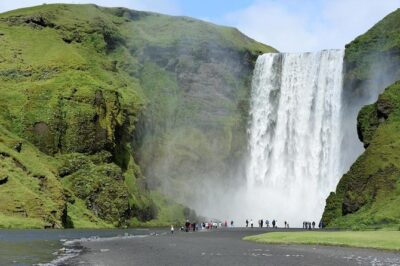
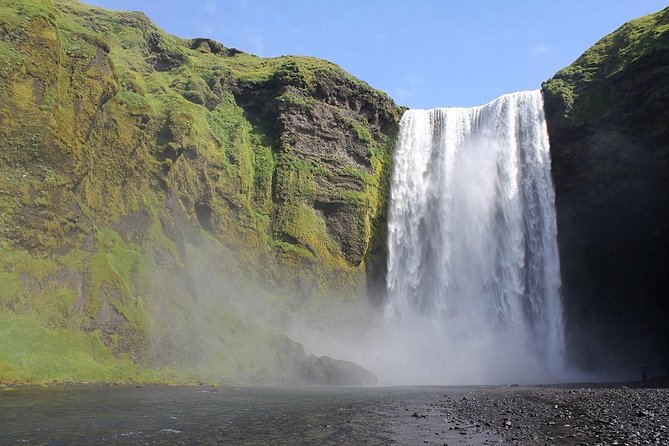
Day 3 is a strong introduction to the south coast. Seljalandsfoss gets about 20 minutes, enough for a look at the waterfall and, if conditions allow, a quick walk near its base. Skógafoss receives 30 minutes, while the Skogar Museum gets 90 minutes and adds cultural context to all the natural scenery.
The museum is one of the tour’s included admissions. Its folk collection helps explain how people lived and worked in Iceland, a welcome change from a day made up only of viewpoints.
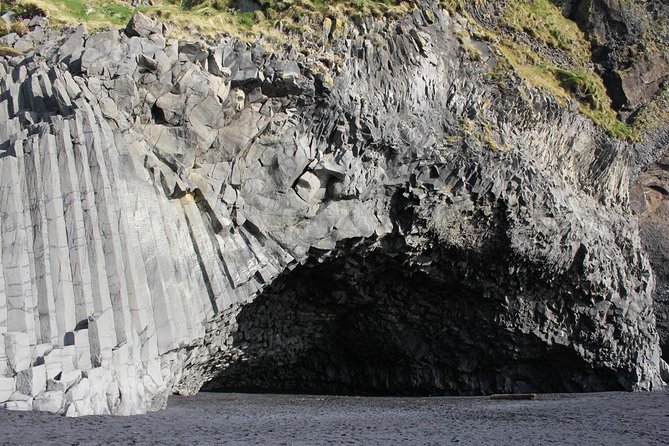
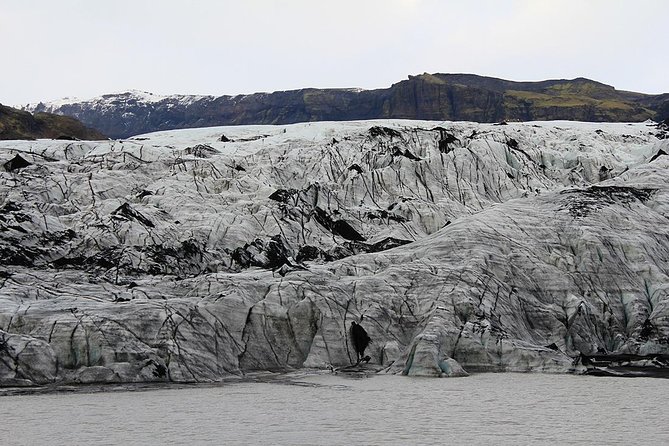
You then see Solheimajokull Glacier, Dyrholaey, and Reynisfjara Beach. The glacier stop is short, about an hour, and is for viewing rather than a glacier hike. Dyrholaey gives you a high coastal outlook, while Reynisfjara brings black sand, sea stacks, and powerful surf. Keep well back from the water. Thirty minutes is enough to see the beach, but you should not treat it as a casual swimming shore.
Days 4 to 6: Icebergs, remote farms, and volcanic ground
Day 4 brings one of the trip’s strongest combinations: Skaftafell National Park, a walk to Svartifoss, and the Glacier Lagoon. You spend about two hours in Skaftafell, followed by a 90-minute hike to Svartifoss. The trail is manageable for anyone with moderate fitness, but it is still a real uphill walk, not a roadside photo stop.
Svartifoss is framed by dark basalt columns, giving it a different character from the broad waterfalls seen earlier. Allow extra energy for the return walk, especially if the ground is wet.
The Glacier Lagoon gets two hours, including the included boat tour among icebergs. This is one of the clearest value points in the package. You are not only looking across the lagoon from a parking area, you are getting time on the water and a closer view of floating ice. The nearby black beach, with ice fragments scattered along the shore, is not listed as a separate stop, so ask Jens if the route and timing allow a look.
On Day 5, Hvalnes Lighthouse and the area around Egilsstadir provide shorter breaks during another long driving day. The overnight stay is at Modrudalur, a valley described as the country’s highest inhabited place at 469 meters above sea level.
This is one of the tour’s more distinctive lodging choices. A remote farm stay gives you a sense of rural Iceland that a standard hotel near a major town cannot provide. The tradeoff is isolation and a simpler setting. If you need nightlife, shopping, or a choice of restaurants each evening, this is not that sort of trip.
Day 6 is packed with volcanic sights. Dettifoss is often the day’s headline stop. The waterfall is powerful and raw, and 45 minutes lets you reach a viewpoint and take photographs without turning the visit into a long hike.
Asbyrgi is a horseshoe-shaped canyon with a quieter feel. Krafla shows the marks of Iceland’s volcanic activity, while Dimmuborgir offers a maze of dark lava formations. At Namafjall Hverir, boiling mud pots and steaming ground make the earth feel active under your feet. Skutustaoagigar adds pseudo-craters, though the listed five-minute stop is brief.
You should expect strong smells around geothermal areas. The sulfur odor is part of the experience, but it can be intense. Stay on marked paths and follow the guide’s instructions around hot ground.
Days 7 to 10: Northern towns and the wild Westfjords
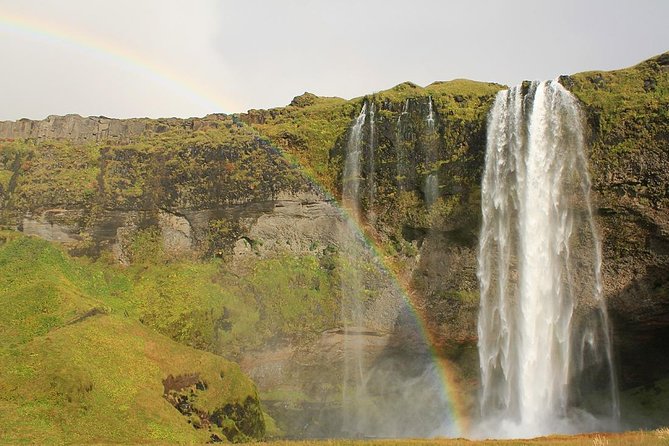
Day 7 starts at Godafoss, the Waterfall of the Gods. The stop lasts only 20 minutes, so you get a quick view rather than a long walk along the river.
In Akureyri, you have three hours of free time. This is your best chance on the route to slow down, eat lunch, browse, or visit Akureyrarkirkja. Since lunch is not included, this break is useful for handling one of the trip’s regular extra costs.
The route then passes through Siglufjordur, a former fishing center with a compact town setting, before reaching Hvitserkur rock. The sea stack gets about 30 minutes. These shorter stops keep the day moving, but they also mean you need to make decisions quickly about photographs and walking.
Day 8 is primarily a travel day toward the Westfjords. From Hrutafjordur, the route heads into the remote Strandir area, with stretches of coast marked by driftwood and small black-sand beaches. You continue toward Isafjordur before sleeping in the fishing village of Sudureyri.
This is where the tour feels most different from a standard Iceland circuit. The value is not just one famous monument. It is the empty coastline, the small settlements, and the sense of reaching places that require time and effort to access. The drawback is obvious: much of the day is spent in the vehicle.
Day 9 brings Dynjandi, a broad, tiered waterfall that drops down the mountainside. The stop lasts 45 minutes, so you can get a strong view and walk some of the approach, but the available time may feel short if you want to explore every angle.
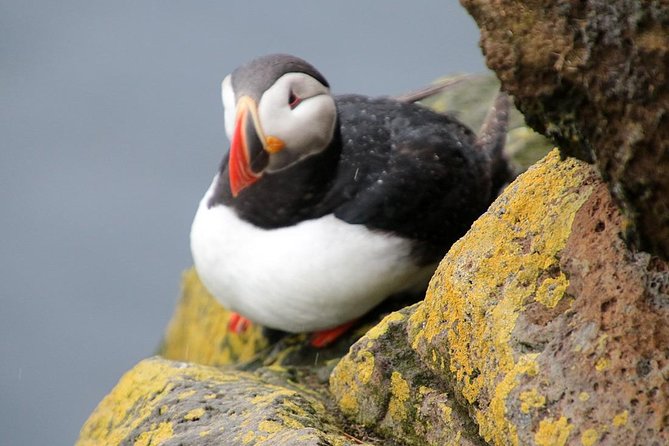
Latrabjarg is one of the trip’s memorable wildlife and coastline stops. The cliffs extend about 14 kilometers and rise as high as 400 meters above the sea. The route allows an hour here to look for seabirds and walk near the cliff edge. Stay cautious, especially in wind or fog, and do not approach the edge for a photograph.
Day 10 continues along the southern Westfjords to Raudasandur, known for its red sand. The stop lasts about an hour. This is a good example of why the longer route matters: it gives you a beach experience unlike the black sand of Reynisfjara.
The Westfjords are sparsely populated, and that remoteness affects the rhythm of the tour. You get fewer services and longer stretches without towns. In return, you see a quieter side of Iceland, with fewer built-up viewpoints and more open coast.
Same base, a completely different sort of day out:
- Reykjavík: South Coast Waterfalls, Black Sand & Glacier Tour
★ 4.8 · 11,030 reviews - Reykjavík: Whale Watching and Marine Life Cruise
★ 4.6 · 9,838 reviews - Reykjavik: Sky Lagoon Entrance Pass With 7-Step Spa Ritual
★ 4.8 · 6,166 reviews - From Reykjavik: Golden Circle, Kerid, & Secret Lagoon Tour
★ 4.8 · 6,009 reviews
Days 11 to 13: Snæfellsnes, lava waterfalls, and the airport
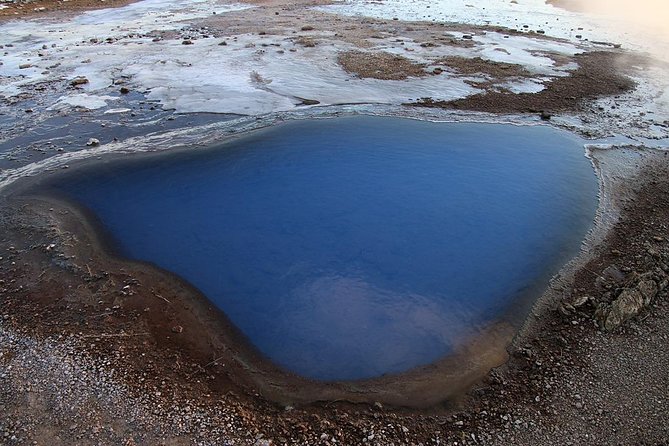
Day 11 shifts to the Snæfellsnes area. Kirkjufellsfoss is a quick 20-minute stop, but the waterfall and nearby mountain create one of Iceland’s most recognizable views.
Djupalonssandur is a basalt pebble beach, reached with about 45 minutes. A short coastal walk adds birdlife and sea views. The shore is rugged, and the rocks are not suited to an easy barefoot stroll. Wear shoes with a firm sole.
Day 12 features Grábrók Crater, where you walk to the top of an old volcano. The 30-minute stop is short, but the climb gives you a different view of the surrounding country. If you have trouble with inclines, ask about the walking conditions before setting out.
Hraunfossar and Barnafoss provide the final major natural sight. Hraunfossar appears as water flowing through lava rock, while Barnafoss has a faster, more forceful character. Thirty minutes is enough for the main viewpoints, but you may wish for more time after so many days of driving.
On Day 13, you make your way to Keflavik Airport. The meeting information also says the activity ends back at the starting hotel, so confirm the exact final transfer arrangement before booking flights. That small wording mismatch matters if you have an early departure or a separate airport transfer.
What the small group and guide add
A maximum of 12 people is a practical advantage here. You spend many hours together, and a smaller vehicle can make rural roads and quick photo stops easier to manage. It also means you should be comfortable with a close group for nearly two weeks.
Jens Olafsson is the named guide. His role goes beyond pointing out waterfalls. He handles hotel registration, explains the geology and local history, shares folk tales, and adjusts the schedule when needed. One particularly useful touch is helping find suitable picnic spots if you bring your own lunch.
The tour vehicle is not presented as a luxury Mercedes-style coach. That helps explain the lower price compared with some premium Iceland circuits, but you should not book this expecting a polished luxury cabin. The payoff is a more companionable small-group setting and a route that reaches places larger companies may skip.
Accommodation, meals, and what to pack
You receive 12 nights of accommodation, 12 breakfasts, and 11 dinners. The route uses hotels, guesthouses, and farm-style stays. These can be comfortable and memorable, but the frequent moves mean you should keep your luggage organized and avoid unpacking everything each night.
Dinner is a real convenience in rural areas, where choices can be limited. The food is described as a major strength of the experience, with several meals served at small country properties. Still, tastes vary, and included dinners do not eliminate the need to budget for lunch.
Bring money or a card for lunches, drinks, and anything else not listed. Icelandic food and beverages are expensive, so a supermarket stop or packed lunch can help control costs. Jens has accommodated picnic lunches before, making that a sensible option if you want to save.
Pack waterproof layers, warm clothing, sturdy walking shoes, and clothing that handles wind. The walking is generally light to moderate, but the itinerary includes the Svartifoss hike, the Grábrók climb, coastal paths, and uneven ground around waterfalls and lava formations.
Who should choose this Iceland tour?
I would recommend it most strongly to you if you want to see Iceland in depth but do not want to drive. It suits people who enjoy geology, waterfalls, birds, rural communities, and long scenic journeys. It is also a good fit for solo visitors who want a small social group rather than a large bus.
You should think twice if you want a relaxed holiday with late mornings and several nights in one hotel. The route is intense. You cover a lot of ground, and the tour can feel like a daily checklist even when the scenery is spectacular.
It is not a hard-core adventure trip. There is no listed glacier trekking or demanding multi-day hike. But moderate fitness is required, and weather can affect roads, timing, and access. The operator reserves the right to change the route for weather or other conditions.
Should you book the Great Round Tour?
Book this tour if your priority is seeing as much of Iceland as possible, especially the Westfjords, while leaving driving, route planning, and hotel check-ins to an experienced guide. The included dinners, breakfasts, museum admission, and Glacier Lagoon boat ride make the $7,228.71 price easier to justify, particularly in an expensive country.
Do not book it if you want luxury transport, flexible free time, or a low daily spend. You will pay for lunches and drinks, sleep in a new place often, and spend long stretches on the road.
For the right person, this is a well-planned country circuit with unusually broad coverage. Arrive a day or two early for Reykjavik, bring practical outdoor clothing, and confirm the Day 13 airport arrangement. If those terms suit you, Fun Travel Iceland offers a strong way to see Iceland’s famous sights and its quieter corners in one demanding but rewarding trip.
FAQ
How long is The Great Round Tour?
The tour lasts approximately 13 days and includes 12 nights of accommodation.
Where does the tour start?
The stated starting point is Hotel Klettur, Mjolnisholt 12-14, 105 Reykjavik, Iceland.
Where does the tour end?
Day 13 says you make your way to Keflavik Airport. The meeting information also says the activity ends back at the meeting point, so confirm the final transfer details before booking flights.
What meals are included?
The price includes 12 breakfasts and 11 dinners. Lunch, beverages, and other services not listed are not included.
Is the Glacier Lagoon boat tour included?
Yes. The package includes a boat tour around the icebergs at the Glacier Lagoon.
How large is the tour group?
The maximum group size is 12 travelers.
How physically demanding is the tour?
A moderate level of physical fitness is recommended. The route includes walks and light hikes, including the path to Svartifoss, the walk to Grábrók Crater, and coastal walks.
Just added around Reykjavik
- Northern Lights Private Tour from Reykjavik★ 5.0 · 3 reviews
- Private South Coast Tour: A Journey to Iceland’s Stunning Shore★ 4.5 · 3 reviews
- Golden Circle Private Tour Tomato Soup Lunch and Secret Lagoon with Photography★ 5.0 · 3 reviews
- Hot and cold G spots challenge★ 5.0 · 3 reviews
- Personalised Travel Plan and itinerary for Iceland★ 4.5 · 3 reviews
- Authentic Reykjavik Food Tour with Flea Market Delights★ 4.2 · 3 reviews
- Blue lagoon Premium and Private Golden circle tour★ 5.0 · 3 reviews
- Exclusive Westman Islands Adventure – A Private Day Tour★ 5.0 · 3 reviews
Reykjavik Tours, compared.
Golden Circle Full-Day Tour with Kerid Crater
Read our review →
Reykjavik Food Walk – Local Foodie Adventure in Iceland
Read our review →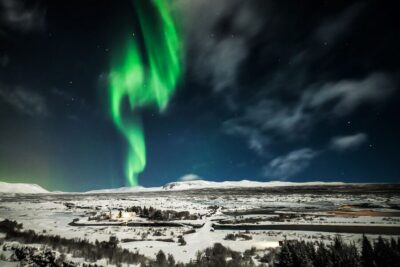
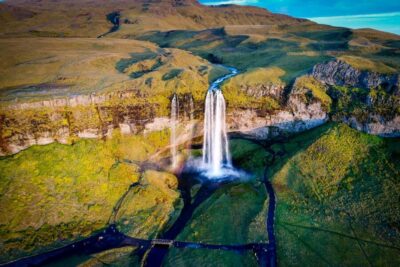
South Coast Waterfalls, Black Sand & Glacier Tour
Read our review →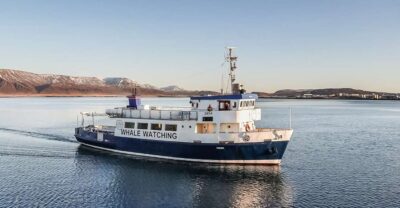
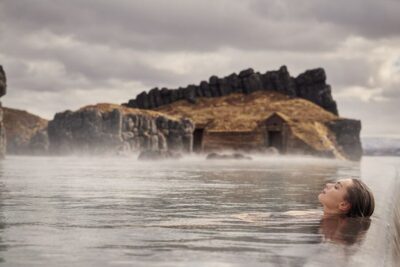
Sky Lagoon Entrance Pass With 7-Step Spa Ritual
Read our review →