
Reviewed · VOLCANO TOURS
Kerið Volcanic Crater Admission Ticket
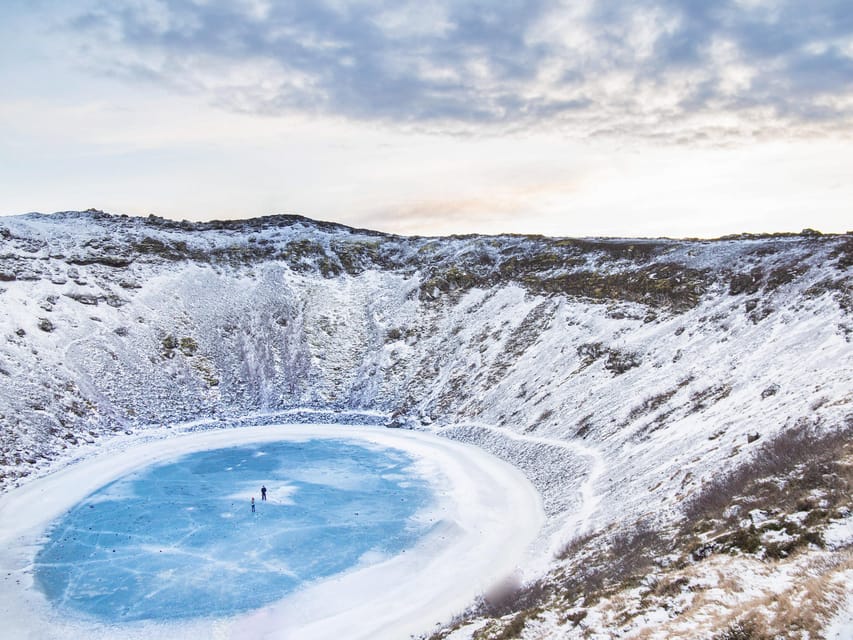
Kerið is the kind of Iceland stop that earns its small admission fee fast. A turquoise crater lake sits inside red volcanic rock, with green moss softening the slopes around it. You can see the main sight within minutes, then walk the rim for wider views or follow the slope toward the water.
I like the easy roadside access and the fact that you do not need a guide, timetable, or long hike to enjoy it. I also like the geology: Kerið was made when an emptied volcanic cone collapsed into its own magma chamber, not by a blast from an exploding volcano. The main drawback is that the visit can be brief, and ticket checking may feel inconsistent.
Key points to know before you go
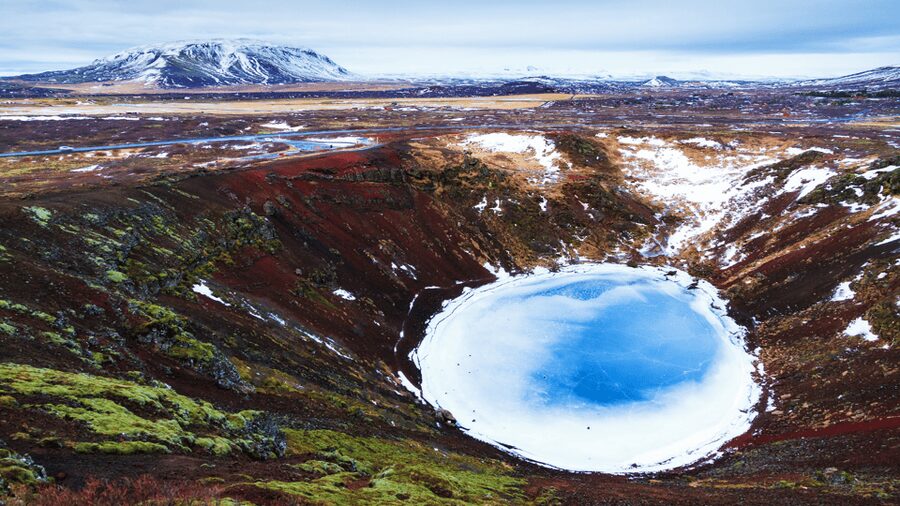
- A 6,500-year-old collapsed volcanic cone: Kerið formed after an eruption emptied the magma chamber and the cone fell inward.
- A lake with a natural explanation: The water sits at the level of the water table, rather than being fed mainly by rain.
- A short, flexible stop: You can explore independently during daylight hours and fit the crater into a Golden Circle drive.
- Red rock and green moss: The contrast gives Kerið its strong color and makes even a quick walk worthwhile.
- Free parking by the site: You can arrive by rental car without arranging transport or a group tour.
- A low entry cost: At $5 per person, the price is modest, though the value depends on how long you stay.
Why Kerið makes a strong Golden Circle stop
The Golden Circle is full of major sights, but the famous stops can take much of a day. Kerið works differently. It is an easy addition to a driving route, giving you a compact look at Icelandic volcanic geology without committing to a demanding hike.
The crater lies in southern Iceland at the northern end of a row of craters called Tjarnarhólar. It belongs to the Western Volcanic Zone, the same broad volcanic region that includes the Reykjanes peninsula and Langjökull Glacier.
You will not need a full day for the site itself. The ticket is valid for one day, and exploration is self-guided. That gives you room to arrive early, stop in the middle of a busy driving day, or linger if the light is good.
Kerið is open during daylight hours. That matters in Iceland, where winter daylight can be short and summer conditions can change the feel of a place from one hour to the next. An early arrival can give you quieter conditions and soft light. A winter visit may also mean a shorter walk, depending on the surface underfoot.
More Volcano Tours in Iceland:
- Golden Circle with Kerid Volcanic Crater Day Tour from Reykjavik
★ 4.5 · 2,826 reviews - Golden Circle, Volcano Crater and Blue Lagoon Small-Group Tour
★ 5.0 · 1,932 reviews - Ice Cave by Katla Volcano Super Jeep Tour from Vik
★ 4.5 · 1,100 reviews
Seeing the crater from the upper rim
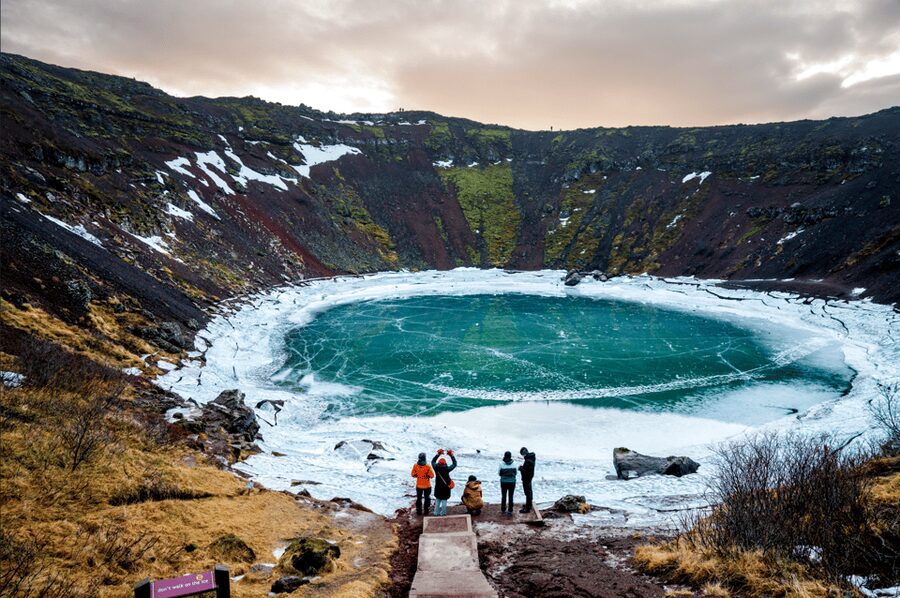
Your first clear view comes from above. Kerið measures about 55 meters deep, 170 meters wide, and 270 meters across, so it is large enough to feel like a real volcanic basin rather than a small pond with a rim.
The red volcanic rock is the first thing that catches your eye. Against it, the lake looks aquamarine or turquoise. The color comes from minerals in the soil, not from tropical water or unusual lighting.
The rim trail gives you a useful sense of scale. You can look across the crater, down toward the lake, and out over the surrounding Icelandic country. The walk is the best part for photographs because it lets you change angles instead of taking one picture from the entrance and leaving.
The surface and slopes can be affected by weather. The information provided describes the rim and sloping wall as accessible, but it does not promise a uniform trail surface in every condition. Wear shoes with a steady grip, especially if you plan to descend toward the water.
Walking down toward the mineral-colored lake
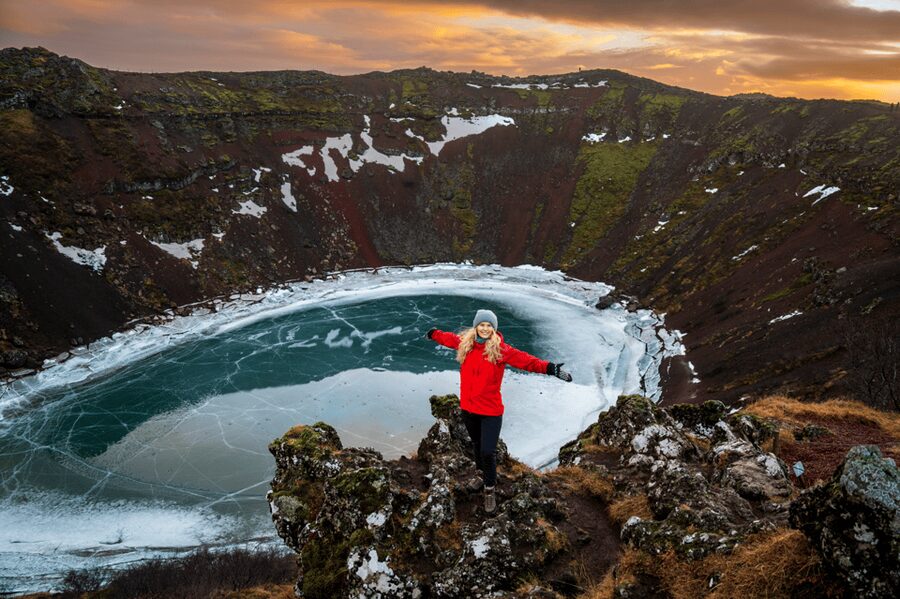
One of Kerið’s sloping walls leads down toward the bottom. Deep green moss covers parts of the slope, creating a sharp color contrast with the red rock and bright water.
The walk down changes the view. From the rim, the lake looks like a colored patch inside a giant bowl. From lower down, the walls rise around you and the crater feels more enclosed. You can choose how far to go rather than treating the route as a fixed hike.
The lake is shallow. That is useful context because its color may suggest great depth, but appearance can mislead you here. The water is at the same level as the local water table, so it is not simply a rain-filled hole. This is one of the site’s most interesting details, and it helps explain why the lake remains in the collapsed crater.
You should treat the lower area as a place to look and photograph, not as a swimming spot. The supplied information describes the lake and its geology, but does not include swimming access or water activities.
The geology behind the red walls
Kerið was formed about 6,500 years ago. Its story is different from the simple idea of a volcano exploding and leaving a hole behind.
A cone volcano erupted and emptied much of its magma reserve. Once the support beneath the cone was gone, the cone’s weight caused it to collapse into the empty chamber. The result was the caldera you see today.
That explanation makes the visit more rewarding. You are not just looking at a colorful crater. You are seeing the remains of a volcanic structure that changed shape after its eruption. The red rock, the collapsed form, and the water level all give clues to what happened underground.
At a $5 admission price, this geological setting offers good value if you take a few minutes to understand it. The fee is small compared with the cost of a full Iceland day tour, and you can spend as little or as much time as your route allows.
A few more Iceland half-days worth a look
- Small-Group Golden Circle, Blue Lagoon with Ticket & Kerid Crater
★ 5.0 · 5,631 reviews - Reykjavik: FlyOver Iceland Entry Ticket
★ 4.7 · 3,499 reviews - Reykjavik: LAVA SHOW – Immersive Experience Entry Ticket
★ 4.8 · 3,360 reviews - Lava Show Reykjavik Admission Ticket – Optional Premium Upgrade
★ 5.0 · 3,278 reviews
How long should you plan for Kerið?
The ticket is valid for one day, but that does not mean you need a full day at the crater. The information gives an overall duration of one day because you have flexibility, not because the site requires eight hours.
For a quick stop, allow enough time to park, view the crater, and take photographs. If you walk the rim and go down the slope, you will need more time. The exact length depends on your pace, the weather, and how much you enjoy photographing the changing angles.
Kerið suits people who prefer freedom over a scheduled tour. There is no included guide and no set group itinerary. You arrive, pay admission, and explore independently.
That freedom also means you do not receive a guided explanation on site. If the volcanic story matters to you, read the available site information carefully or review the geology before arriving. The crater itself is easy to understand visually, but the collapse process is worth knowing.
Access, parking, and the practical side
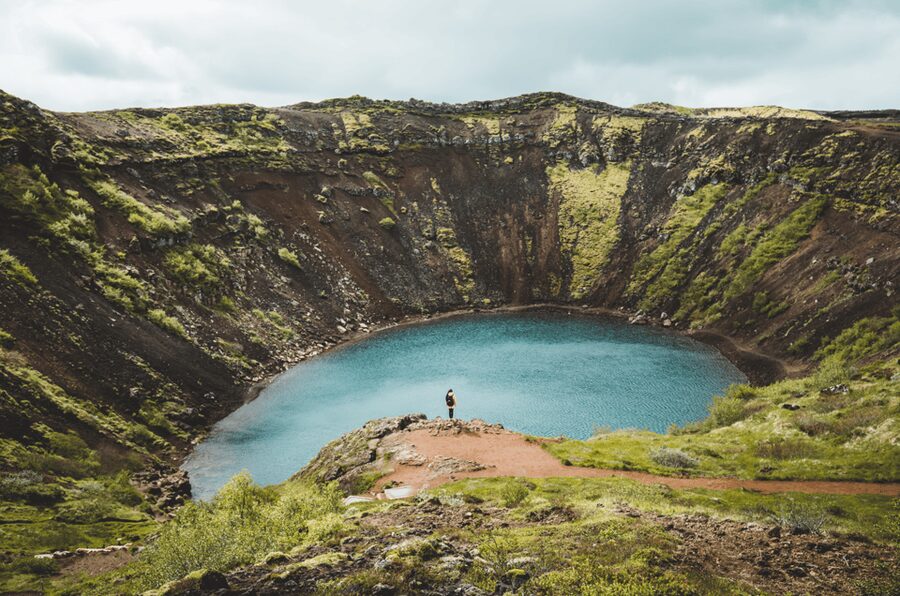
Kerið is easy to reach by car and has free parking. This makes it particularly useful for a self-drive Golden Circle route. You do not need to arrange a separate transfer, and you can decide on the day whether the stop fits your schedule.
The site is wheelchair accessible according to the supplied activity details. That is important, but the details do not specify which sections of the rim or sloping route are suitable for every wheelchair. If full access to the lower lake is essential, check conditions before booking or arriving.
The admission is listed at $5 per person. At that price, Kerið is an inexpensive way to add a distinct volcanic sight to your day. The value is strongest if you enjoy short walks, photography, and geology. It is less compelling if you only want a quick glance from the parking area.
One practical wrinkle is entry control. At least one recent arrival found that nobody checked the ticket, making the purchase feel unnecessary. That does not mean admission is never checked, so you should still follow the stated payment and entry rules. It simply means the ticket process may not always feel as formal as at a major museum or paid attraction.
The entrance experience can also vary. One recent winter arrival found the person at the entrance unpleasant, while the crater itself was considered excellent. That is a useful distinction: the human welcome may not always match the quality of the natural sight.
Winter, daylight, and the best time to arrive
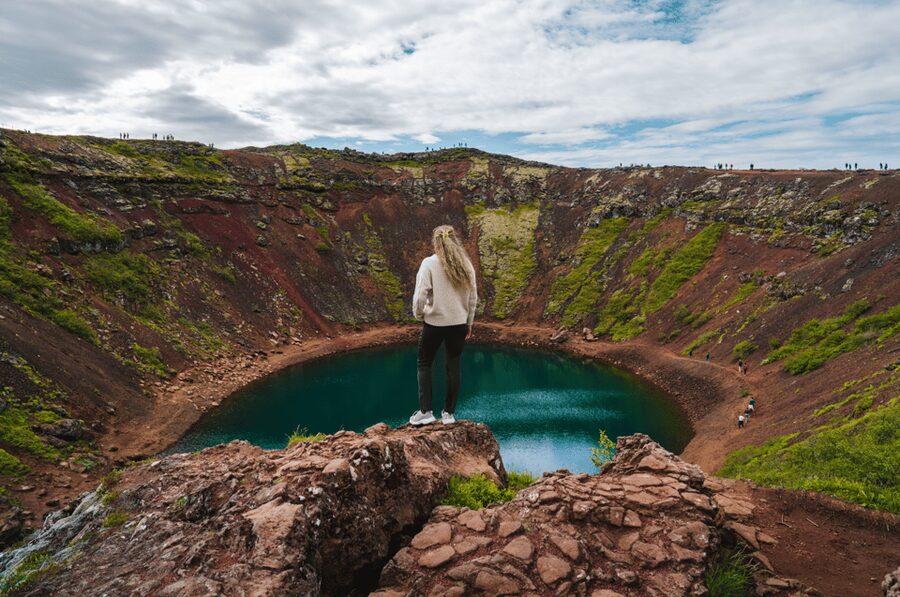
Kerið is open during daylight hours, so timing matters more here than it might at an indoor attraction. In winter, you have fewer usable hours, and the crater may look different under low sun, cloud, or frost.
A January arrival at sunrise produced a memorable visit for one self-driving visitor. That points to a sensible tip: if you are already on the road early, Kerið can work well as a first stop. Early light can bring out the red rock, while the lake may look especially strong against darker walls.
You should still plan around daylight rather than assuming the site is available at all hours. The supplied information does not give seasonal opening times beyond daylight access, so check the current conditions for your date.
The crater is exposed. Wind and weather can affect comfort, photography, and the footing on the slope. Bring clothing suitable for Iceland’s conditions and shoes that can handle a walk rather than relying on smooth casual footwear.
Who will get the most from this stop?
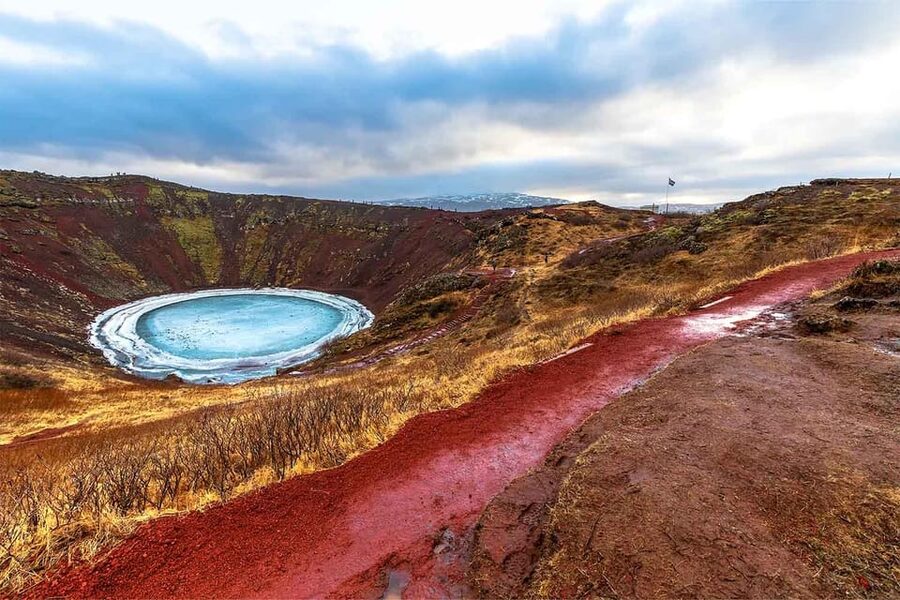
I think Kerið is best for you if you are driving the Golden Circle and want a stop that feels different from waterfalls, geysers, and hot springs. The crater gives you color, scale, and a clear geological story in a compact visit.
It also suits photographers. The lake, red rock, green moss, and rim views offer several strong subjects without requiring a long trek. You can photograph from above, then walk lower for a more enclosed view.
Families and mixed-ability groups may appreciate the simple format and short access from the car. The listed wheelchair accessibility is a useful advantage, though the lower path details are not specified.
Kerið may not suit you if you expect a guided experience, a long wilderness walk, or a full-day activity built around several stops. This is a focused attraction. Its strength is that it asks little from your schedule while still offering a memorable view.
Is the $5 ticket good value?
For most Golden Circle itineraries, yes. Five dollars is a small addition to an Iceland driving day, and the site offers something visually different from the route’s other major sights.
The value depends on your approach. If you stop only long enough to take one photo, the fee may feel less satisfying. If you walk the rim, study the crater walls, go partway down the slope, and think about how the cone collapsed, you get a fuller experience for very little money.
The ticket includes admission, self-guided exploration, and photo opportunities. It does not include transportation, a guide, meals, or any added activity. Since parking is free, the main direct cost is the admission itself.
The option to reserve now and pay later may help if your Iceland plans are still shifting. Free cancellation is available up to 24 hours in advance for a full refund. Keep those terms in mind if weather or road conditions might change your route.
Should you book Kerið Crater?
Book it if you are driving the Golden Circle, enjoy geology and photographs, or want a short stop with a strong visual payoff. The turquoise lake inside the red crater is unusual, and the story of the collapsed volcanic cone gives the view real substance.
You can skip it if your day is already overloaded or if you want a guided attraction with a long program. Kerið is simple and self-directed, not a major organized excursion.
For $5, free parking, easy car access, and a flexible daylight visit, I consider it a sensible add-on. Just remember that the entrance process may feel casual, staff interactions can vary, and the lower route may be less predictable in poor weather. Plan a little time, wear steady shoes, and give yourself a chance to see the crater from more than one angle.
FAQ
Where is Kerið Crater located?
Kerið is in Iceland’s Southern Region and is an easy stop along the Golden Circle route.
How much does admission to Kerið cost?
Admission costs $5 per person.
How long is the Kerið ticket valid?
The ticket is valid for one day.
Is Kerið open at night?
Kerið is open during daylight hours.
Is the experience guided?
No. Admission includes self-guided exploration, so you explore the crater at your own pace.
Can I cancel the booking?
Yes. You can cancel up to 24 hours in advance for a full refund. You can also reserve now and pay later.
Just added around Iceland
- From Reykjavik: Private Golden Circle Tour in Iceland★ 5.0 · 3 reviews
- Northern Lights Private Tour from Reykjavik★ 5.0 · 3 reviews
- Exclusive Ice Climbing Experience on Sólheimajökull★ 5.0 · 3 reviews
- Private South Coast Tour: A Journey to Iceland’s Stunning Shore★ 4.5 · 3 reviews
- Easy Hike on Sólheimajökull glacier★ 5.0 · 3 reviews
- Golden Circle Private Tour Tomato Soup Lunch and Secret Lagoon with Photography★ 5.0 · 3 reviews
- Hot and cold G spots challenge★ 5.0 · 3 reviews
- Authentic Reykjavik Food Tour with Flea Market Delights★ 4.2 · 3 reviews
Volcano Tours, compared.
Golden Circle with Kerid Volcanic Crater Day Tour from Reykjavik
Read our review →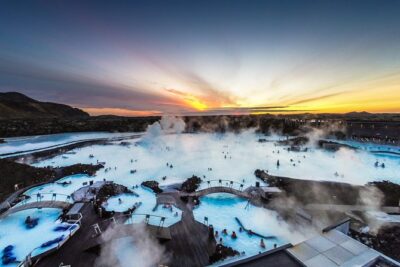
Golden Circle, Volcano Crater and Blue Lagoon Small-Group Tour
Read our review →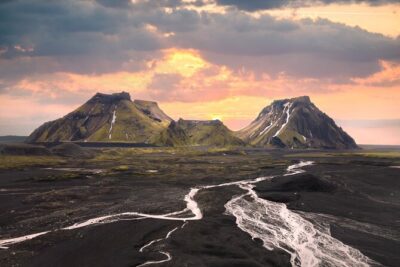
Ice Cave by Katla Volcano Super Jeep Tour from Vik
Read our review →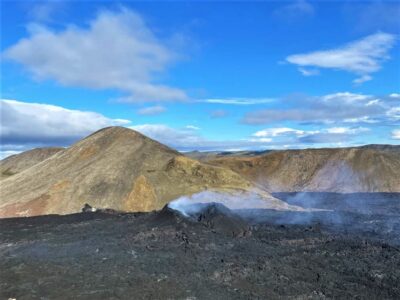
Volcano Eruption Site and Reykjanes Hiking Tour
Read our review →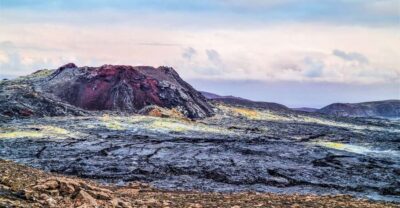
Guided Afternoon Hiking Tour to New Volcano Site
Read our review →
Golden Circle and Kerid Volcanic Crater Small-Group Day Tour
Read our review →
Browse the lists this tour appears in