
Reviewed · REYKJAVIK TOURS
Reykjavík: National Museum of Iceland Entry Ticket
Iceland’s story begins here with a ship that carried medieval settlers across the North Atlantic and ends at a modern airport, the country’s gateway to the wider world. I like that clear journey through time, and I like the chance to see objects rarely encountered outside Iceland, including a Thor figure dated from around the year 1000 and the first Bible printed in Iceland. One drawback is that some displays can feel lightly labeled or spread out, so the audio guide matters if you want a firm timeline.
The ticket also covers temporary exhibitions and remains valid for 365 days, which is useful if you are building your Reykjavík plans around weather. You need to reach the museum on your own, and large bags or luggage are not allowed.
Key points at a glance

- See Iceland’s story in one visit: The permanent exhibition runs from the Settlement Age to modern Iceland.
- Look for the year 1000 Thor figure: This small but important object connects Iceland to its Norse past.
- Follow a ship-to-airport route: The exhibition uses two gateways to frame how Icelanders arrived, lived, and connected with the world.
- Allow about 90 minutes or more: That gives you time for the main displays, photographs, and audio commentary without rushing.
- Use the flexible ticket wisely: Entry is valid for 365 days and includes temporary exhibitions.
- Pair it with another museum: Add the Settlement Exhibition for early Reykjavík or the Maritime Museum for fishing, shipping, and the Cod Wars.
Why this museum belongs in your Reykjavík plans
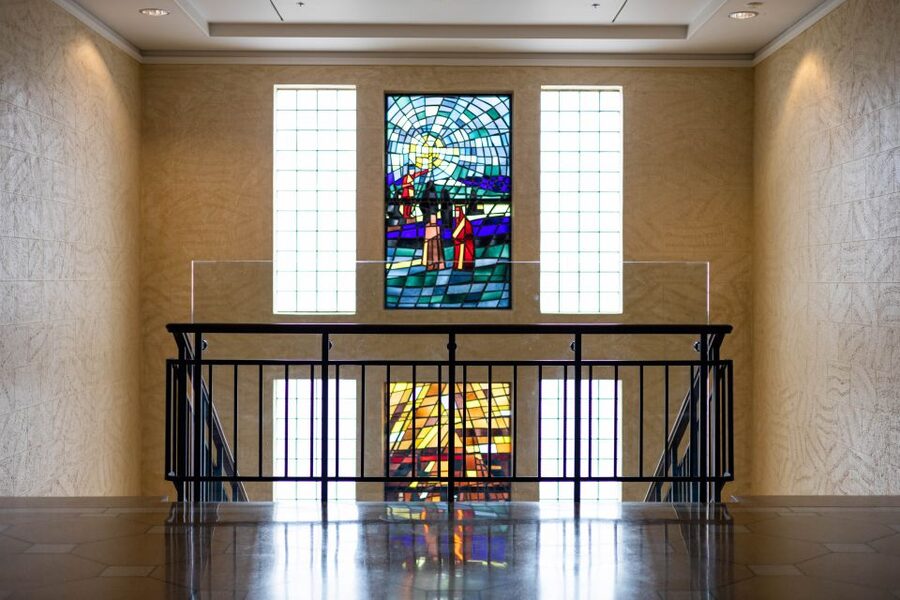
The National Museum of Iceland is the place to go when you want more than a Viking snapshot. Iceland’s past is often reduced to sagas, longships, and dramatic Norse names, but the museum shows how a society developed after settlement and how ordinary life changed over many centuries.
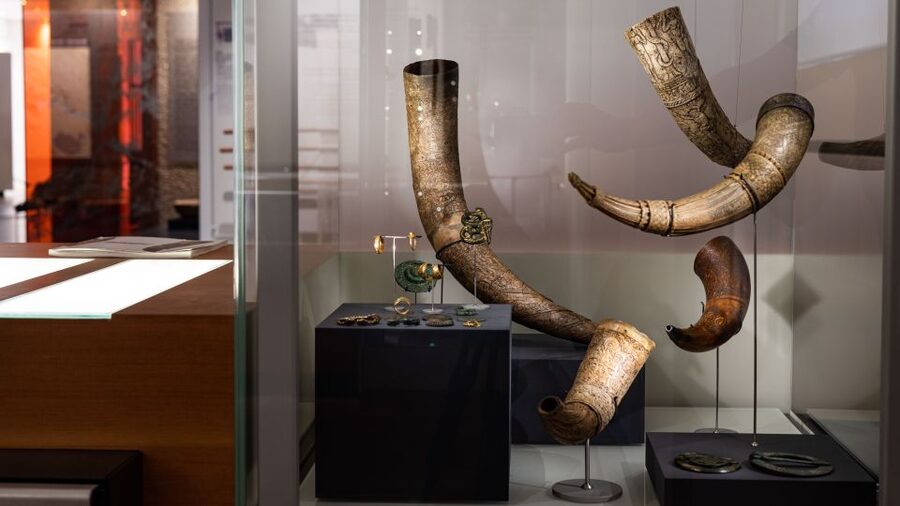
The permanent exhibition contains about 2,000 objects, dating from the Settlement Age to the present day. It also uses 20th-century photographs, so the story does not stop with medieval churches or archaeological finds. You get a longer view of Iceland as an isolated nation that gradually built links with the outside world.
I like the exhibition’s guiding question: what makes a nation? That gives the collection a useful purpose. Instead of presenting disconnected old objects, it asks you to think about settlement, faith, work, identity, technology, and contact with other countries.
This is especially worthwhile early in your Iceland trip. After a museum visit, places such as old churches, fishing villages, historic farms, and Reykjavík’s harbor carry more meaning. You begin to recognize that Icelandic culture is not only about spectacular scenery. It is also about survival, community, belief, and making a home in a difficult environment.
More museums in Reykjavik:
- Reykjavik: Perlan Museum Wonders of Iceland Entrance Ticket
★ 4.7 · 2,575 reviews - Reykjavík: Hop-On Hop-Off Bus and Perlan Museum Entry Ticket
★ 4.3 · 719 reviews - Reykjavik: Whales of Iceland Museum Entrance Ticket
★ 4.4 · 493 reviews
From a settler’s ship to a modern airport
The permanent exhibition is arranged as a journey through time. At the beginning, you encounter the ship that represents the medieval settlers crossing the ocean to a new home. It is a strong opening because it places movement and uncertainty at the heart of Iceland’s story.
You can picture the basic challenge without needing a long lecture. People crossed open water, arrived in a remote place, and had to build a society with limited resources and little outside contact. The ship sets up the question that follows through the exhibition: how did a settlement become a nation?
At the other end, the route finishes in a modern airport. That ending is a smart contrast. The airport represents Iceland’s connection to the wider world, while the ship represents the first great journey to the island. Between those two points, the exhibition shows the changes that shaped Icelandic life.
The layout is not always perfectly obvious. If you prefer a strict, clearly numbered sequence, you might find some objects spread out or the order harder to follow. I suggest using the audio guide and checking the labels carefully rather than assuming every display follows a simple straight line.
The year 1000 Thor figure
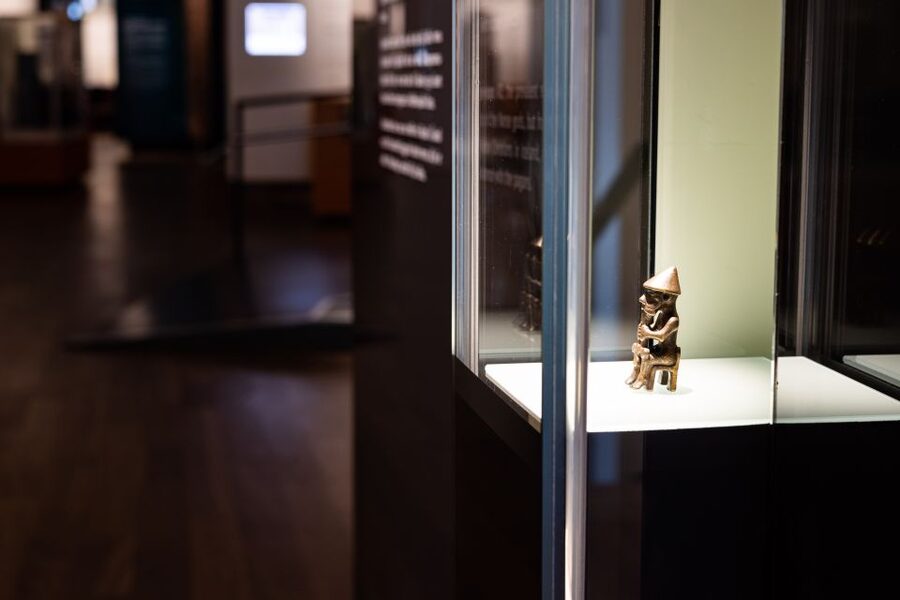
The object most likely to catch your eye is the famous figure of Thor, dated from around the year 1000. It is one of those pieces that makes a broad historical period feel immediate. Instead of reading only about Norse beliefs, you are looking at a physical object made by people living during Iceland’s early centuries.
Thor matters because he connects Iceland to the Norse world before and around the country’s conversion to Christianity. The figure also gives the museum a memorable focal point for the Viking era. If you have limited time, make sure this is on your short list.
The museum does not treat the Viking period as the whole story, which is a strength. Iceland’s early settlement is important, but the country’s identity was shaped by many later centuries as well. You will get more from the Thor figure if you see it as the first chapter of a much longer account.
The museum shop sells exclusive replicas of archaeological finds. That can be a practical stop after the exhibition if you want a physical reminder of the visit without buying an original antiquity. The available selection can change, so consider the shop an extra rather than a guaranteed part of your plan.
Medieval churches, triptychs, and the arrival of Christianity
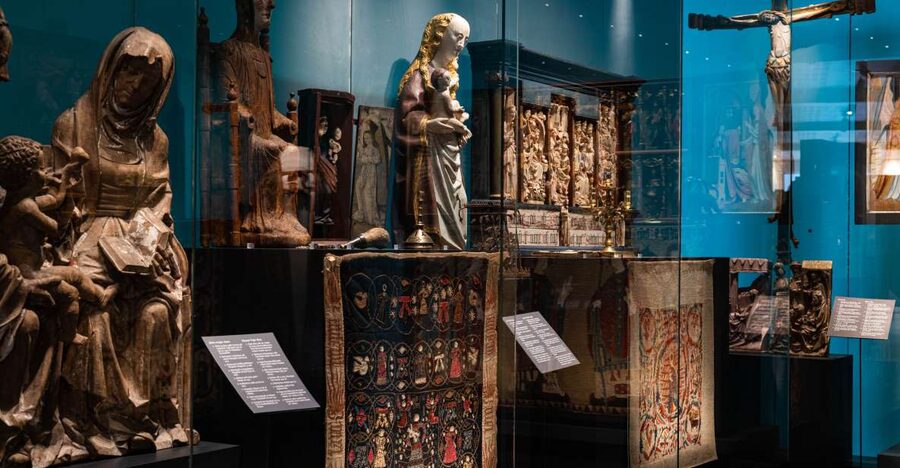
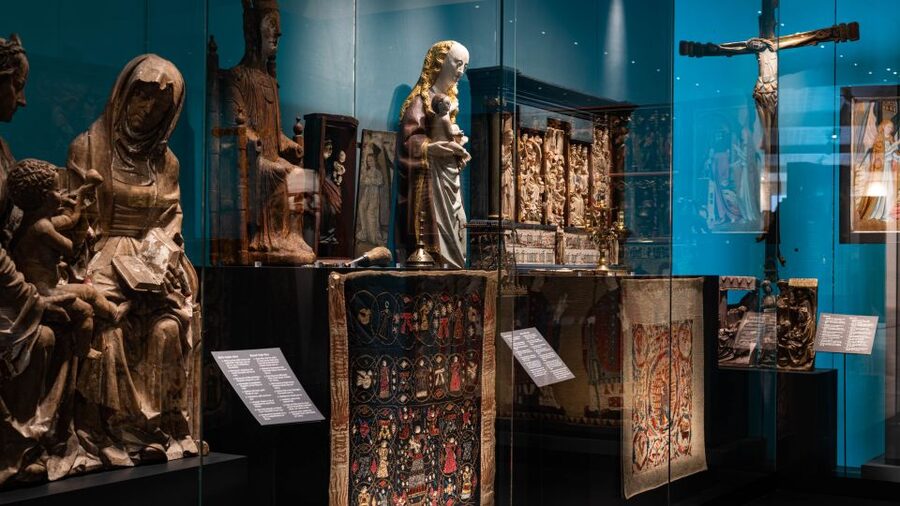
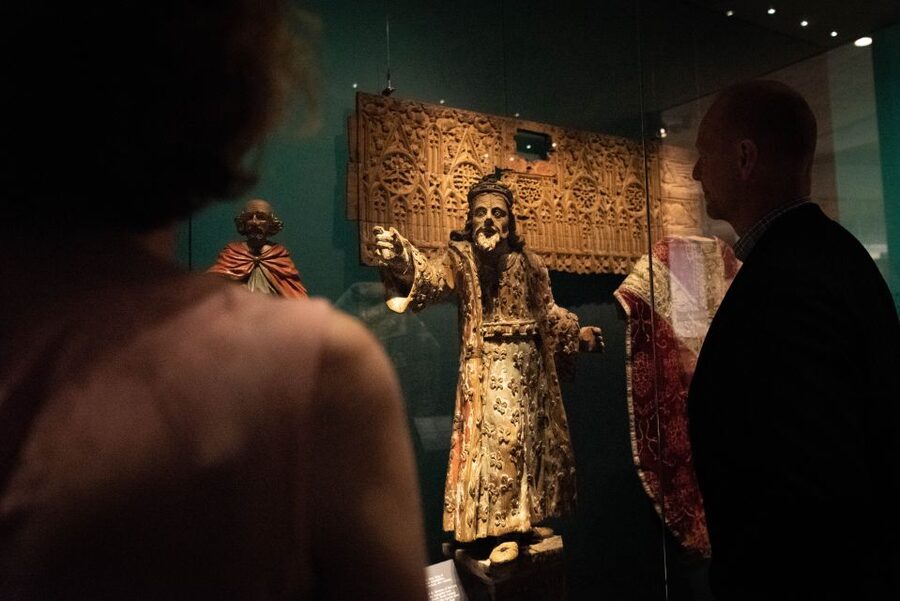
The collection includes striking artifacts from medieval churches. These objects show how Christian beliefs, art, and worship became part of Icelandic life after the earlier Norse period.
Look closely at the church art rather than treating it as decoration. A painted or carved religious object can tell you about the beliefs of its time, the skill of local makers, and the importance of churches in small communities. The triptychs are particularly worth your attention.
The first Bible printed in Iceland during the 16th century is another major highlight. It is still regarded as one of the most beautiful Icelandic prints, and it represents more than religious change. Printing helped preserve language, spread ideas, and connect a remote country to wider European currents.
I would give these displays more time than a quick photograph. The early objects are often the reason people enter the museum, but the religious material explains how Icelandic society changed after settlement. It also helps you see the country as part of Europe, not as an isolated world frozen in Viking times.
A few more Reykjavik half-days worth a look
- Reykjavik: Golden Circle Full-Day Tour with Kerid Crater
★ 4.8 · 24,485 reviews - Reykjavik Food Walk – Local Foodie Adventure in Iceland
★ 5.0 · 18,952 reviews - Iceland: Northern Lights Bus Tour from Reykjavik
★ 4.1 · 11,161 reviews - Reykjavík: South Coast Waterfalls, Black Sand & Glacier Tour
★ 4.8 · 11,030 reviews
Everyday Iceland through photographs and later objects
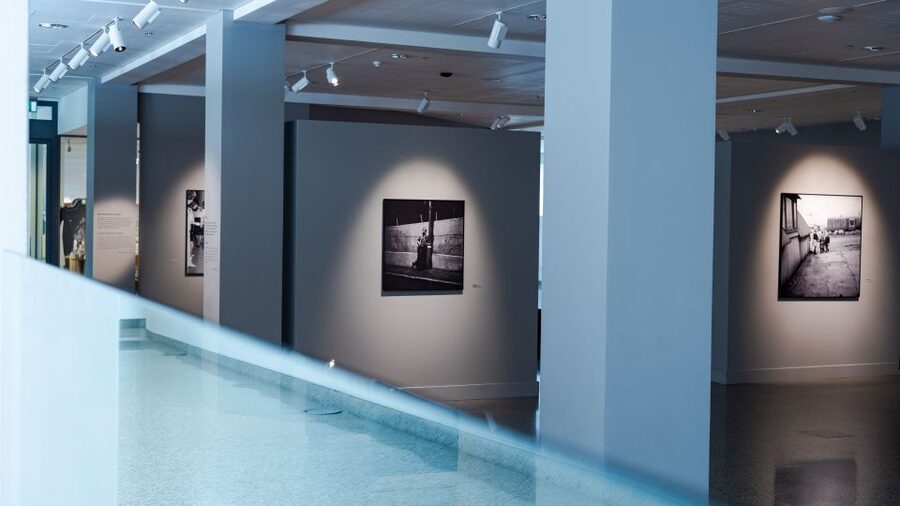
The museum’s story continues into the modern period with photographs from the 20th century. These images help bridge the gap between medieval artifacts and the Iceland you see today.
That bridge is important. Without it, a museum about Iceland can feel divided into two separate parts: old Norse objects and modern Reykjavík. The photographs add people, work, clothing, homes, and social change to the larger story.
The later sections may be especially useful if you are less interested in Viking subjects. The museum explains important aspects of life for Icelanders in both past and present, rather than focusing only on famous rulers or legendary events.
If modern history is your main interest, consider combining this visit with Reykjavík’s Maritime Museum. That pairing gives you a stronger look at shipping, fishing, and the Cod Wars. If the early settlement period is what brought you here, the Settlement Exhibition makes the better companion.
Audio guide, labels, and how to get the most from the visit
An audio guide is included in the ticket, with English, Danish, French, Polish, Spanish, Dutch, Swedish, Icelandic, Italian, and Chinese. This is useful because some displays may not provide all the context you want in their short written labels.
I would use the guide selectively. Start with the main route, then listen to the sections that explain the objects you find most interesting. Trying to hear every piece can make a museum visit feel like homework, especially when you have other plans in Reykjavík.
English-speaking visitors have another advantage: museum staff may be available to discuss selected objects. A conversation can add more life than an audio track, particularly if you have a specific question about a church artifact, a printed book, or an archaeological find. Staff availability is not presented as a formal guided tour, so do not plan on a named guide or a scheduled personal tour.
Wi-Fi is included. That is handy for checking information or coordinating the rest of your day, but it is not a replacement for the exhibition’s audio material.
The layout deserves a little patience. Numbering and sequence may not always be as clear as you expect, and one part of the collection can feel separated from another. I suggest taking a quick look at the full route before you begin, then keeping the museum map or audio guide at hand.
How long to stay and when to go
Plan on about an hour and a half for a sensible first visit. That is enough time to see the main collection, listen to selected audio stops, and pause at the best-known objects. History fans can stay longer, especially if a temporary exhibition interests you.
The ticket is valid for 365 days, so you are not forced into one short time slot. This has real value in Reykjavík, where weather can change quickly and outdoor plans often need rearranging. You can use the museum as a rainy-day option or return during a longer stay, provided entry conditions and availability work for your booking.
There is no transportation included. You show your ticket at the reception desk, so plan your route through Reykjavík separately. Large bags and luggage are not allowed, which matters if you are arriving between accommodation, the airport, or another excursion. Leave substantial luggage elsewhere before heading to the museum.
The museum is wheelchair accessible. That makes it a practical indoor choice for many visitors, though anyone with particular mobility needs should still confirm current arrangements before setting out.
Is the $20 ticket good value?
At $20 per person, this is not a bargain basement museum stop. I think the price makes sense if you want a serious introduction to Icelandic history and expect to spend at least 90 minutes inside.
The value improves because the ticket includes all exhibitions at the museum, including temporary shows. You also receive the audio guide, Wi-Fi, and the freedom of a 365-day validity period. That flexibility is useful if you are not sure which day will have the best weather.
The value is weaker if you only want a quick look at Viking objects. In that case, a smaller or more focused museum may suit you better. The National Museum asks you to stay for the full story, from settlement through religious change and modern life.
I would also avoid judging the price by the number of objects alone. The collection has about 2,000 artifacts, but the real benefit is the span of time they cover. You can spend one visit building a basic framework for Iceland, then use the rest of your trip to explore individual subjects in more detail.
Who will enjoy it most?
I recommend this museum to adults, history fans, and anyone visiting Iceland for the first time who wants cultural context. It is also a useful stop for a rainy afternoon, when outdoor sightseeing loses its appeal.
Older children and teenagers may enjoy the ship, Thor figure, archaeological material, and interactive elements. Very small children may have less patience for the amount of text and historical explanation. If you bring children, keep the visit focused and use the most visual objects as anchors.
It also suits repeat visitors. The 365-day validity means you can return on a later Reykjavík visit, and the changing temporary exhibitions give the museum a reason to feel different over time.
I would not make it your only cultural stop. Pair it with the Settlement Exhibition if you want more on Reykjavík’s earliest residents. Choose the Maritime Museum if modern fishing, shipping, and the Cod Wars interest you more.
Practical plan for a smooth visit
Arrive with your entry ticket ready at the reception desk. Since transportation is not included, build in enough time to reach the museum independently and remember that luggage and large bags are not permitted.
Start with the permanent exhibition’s opening ship. Follow the broad timeline, but do not worry if the numbering feels less than perfect. The museum works best when you use the route as a guide rather than treating it like a strict race from one display to the next.
Prioritize the Thor figure, the first Icelandic Bible, the medieval church artifacts, and the triptychs. Then spend time with the 20th-century photographs and any temporary exhibition open during your visit.
Use the audio guide in your preferred language: English, Danish, French, Polish, Spanish, Dutch, Swedish, Icelandic, Italian, or Chinese. If you have a question, ask museum staff when possible. A short exchange about one object can make the collection easier to remember.
Finish at the shop if you want a replica of an archaeological find. These replicas offer a more meaningful souvenir than a generic Viking item because they connect directly to objects you have just seen.
Should you book the National Museum of Iceland?
Book it if you want a clear, object-based account of Iceland from settlement to modern life, especially if you have a rainy day or room for about 90 minutes in Reykjavík. The Thor figure, first Icelandic Bible, medieval church art, photographs, and temporary exhibitions give the $20 ticket solid value.
Skip it only if your time is extremely tight or your interest is limited to outdoor scenery and the Viking age alone. For most first visits, I would include it, then choose the Settlement Exhibition or Maritime Museum to match your interests. The National Museum gives you the broad framework, and that makes the rest of Iceland easier to understand.
FAQ
Where is the National Museum of Iceland?
It is in Reykjavík, in Iceland’s Capital Region.
How much does admission cost?
The listed price is $20 per person.
How long is the ticket valid?
The ticket is valid for 365 days.
What does the permanent exhibition cover?
It covers Icelandic history from the Settlement Age to the present day.
How many artifacts are displayed?
The permanent exhibition includes about 2,000 artifacts, along with photographs from the 20th century.
What famous objects can I see?
Highlights include a figure of Thor dated from around the year 1000, the first Bible printed in Iceland in the 16th century, and artifacts from medieval churches.
Is an audio guide included?
Yes. Audio guides are available in English, Danish, French, Polish, Spanish, Dutch, Swedish, Icelandic, Italian, and Chinese.
Are temporary exhibitions included?
Yes. The ticket grants access to all exhibitions at the museum, including temporary exhibitions.
Can I bring luggage or a large bag?
No. Luggage and large bags are not allowed.
Is the museum wheelchair accessible?
Yes, the museum is wheelchair accessible.
Is transportation included?
No. You must make your own way to the museum and show your ticket at the reception desk.
Can I cancel the booking?
You can cancel up to 24 hours in advance for a full refund.
Just added around Reykjavik
- Northern Lights Private Tour from Reykjavik★ 5.0 · 3 reviews
- Private South Coast Tour: A Journey to Iceland’s Stunning Shore★ 4.5 · 3 reviews
- Golden Circle Private Tour Tomato Soup Lunch and Secret Lagoon with Photography★ 5.0 · 3 reviews
- Hot and cold G spots challenge★ 5.0 · 3 reviews
- Personalised Travel Plan and itinerary for Iceland★ 4.5 · 3 reviews
- Authentic Reykjavik Food Tour with Flea Market Delights★ 4.2 · 3 reviews
- Blue lagoon Premium and Private Golden circle tour★ 5.0 · 3 reviews
- Exclusive Westman Islands Adventure – A Private Day Tour★ 5.0 · 3 reviews
Reykjavik Tours, compared.

Golden Circle Full-Day Tour with Kerid Crater
Read our review →
Reykjavik Food Walk – Local Foodie Adventure in Iceland
Read our review →

South Coast Waterfalls, Black Sand & Glacier Tour
Read our review →

Sky Lagoon Entrance Pass With 7-Step Spa Ritual
Read our review →

Iceland South Coast Full Day Small-Group Tour from Reykjavik
Read our review →Browse the lists this tour appears in