
Reviewed · VOLCANO TOURS
Volcano Exhibition and Cinema – Lava Centre Iceland
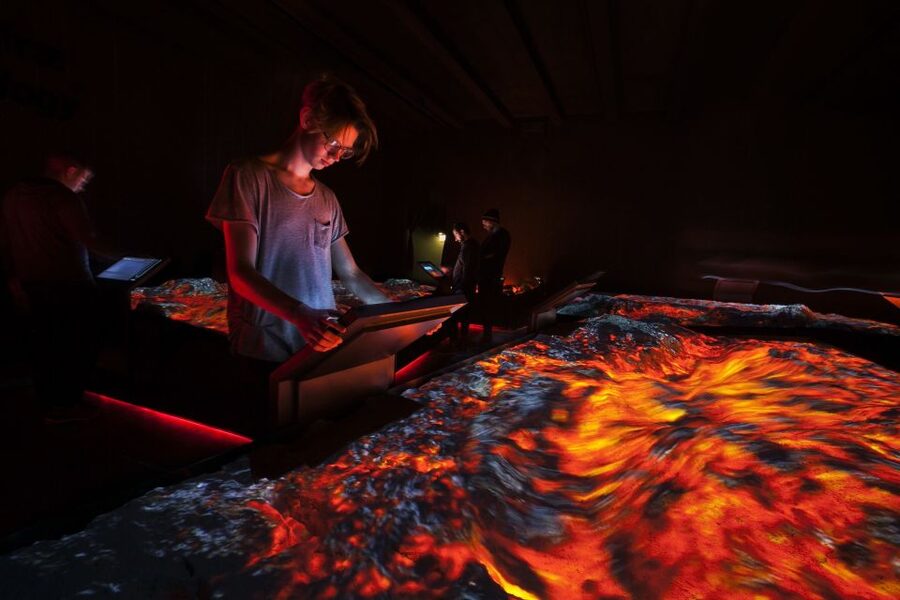
Lava Centre turns Iceland’s fiery geology into something you can see, hear, and feel. The big draw is not just a display case of rocks, but a working explanation of why this country has black sand, geysers, colorful mountains, and frequent earthquakes. You also watch footage of recent eruptions, including activity around Grindavík and the Blue Lagoon.
I like the interactive stations, which make hard science easier to follow, and I like the observation deck, where the volcanoes discussed inside become real peaks on the horizon. The earthquake simulator adds a memorable jolt. The main drawback is time: the visit can be fairly compact, with one recent estimate putting it at about an hour, so the $42 price may feel high if you rush through.
Key points
- See Iceland’s main volcanic forces explained clearly, from plate movement to rising magma and airborne tephra.
- Experience a simulated earthquake in the Trembling Earth section and watch live earthquake activity on a map.
- Watch recent eruption footage covering Grindavík and the Blue Lagoon area.
- Look toward Hekla, Katla, and Eyjafjallajökull from the center and its viewing deck.
- Use a practical rainy-day stop that is wheelchair accessible and suitable for families.
- Plan roughly an hour or more, depending on how long you spend with the interactive exhibits and film.
Why Lava Centre Makes Sense on a South Iceland Drive
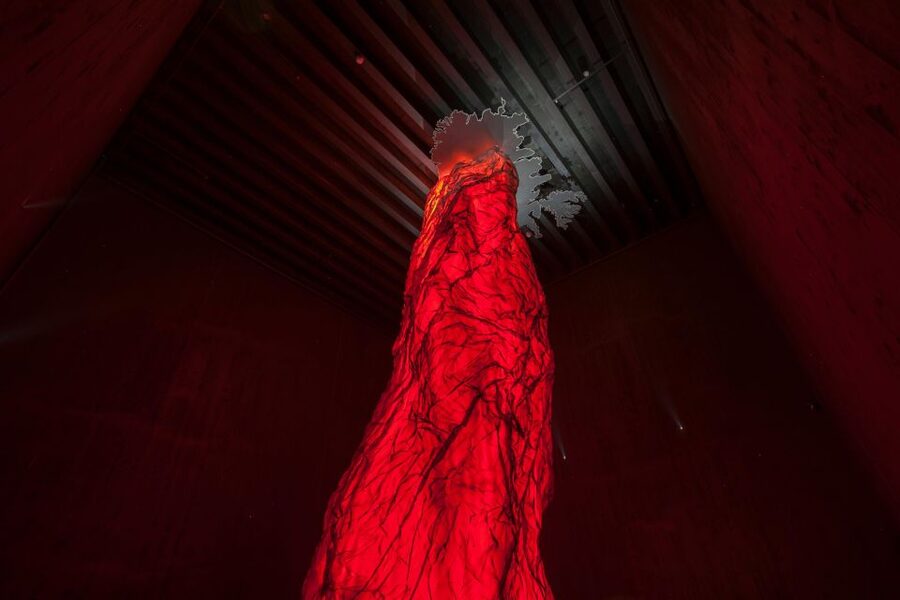
Southern Iceland is packed with dramatic natural sights, but many of them are best understood after you learn what shaped them. Lava Centre gives you that framework before you continue toward waterfalls, glaciers, black beaches, and volcanic areas.
The center sits in Iceland’s Southern Region, with views toward several major volcanoes. The setting matters. You are not studying volcanoes in a city museum with no connection to the subject. The peaks outside help tie the displays to the country around you.
The experience focuses on Iceland’s geological story rather than one single eruption. You learn how the island formed, how its volcanic systems work, and why the ground remains active. That makes it a useful stop for first-time visitors who see Iceland as a string of spectacular sights but want to understand the forces behind them.
I would treat it as an indoor attraction with an outdoor finish, not as a guided hike or a visit to an active volcano. You do not walk onto fresh lava here. Instead, you get explanations, films, models, maps, sound, and views that give meaning to the volcanic terrain you see from the road.
More Volcano Tours in Iceland:
- Golden Circle with Kerid Volcanic Crater Day Tour from Reykjavik
★ 4.5 · 2,826 reviews - Golden Circle, Volcano Crater and Blue Lagoon Small-Group Tour
★ 5.0 · 1,932 reviews - Ice Cave by Katla Volcano Super Jeep Tour from Vik
★ 4.5 · 1,100 reviews
Start With Iceland’s Moving Ground
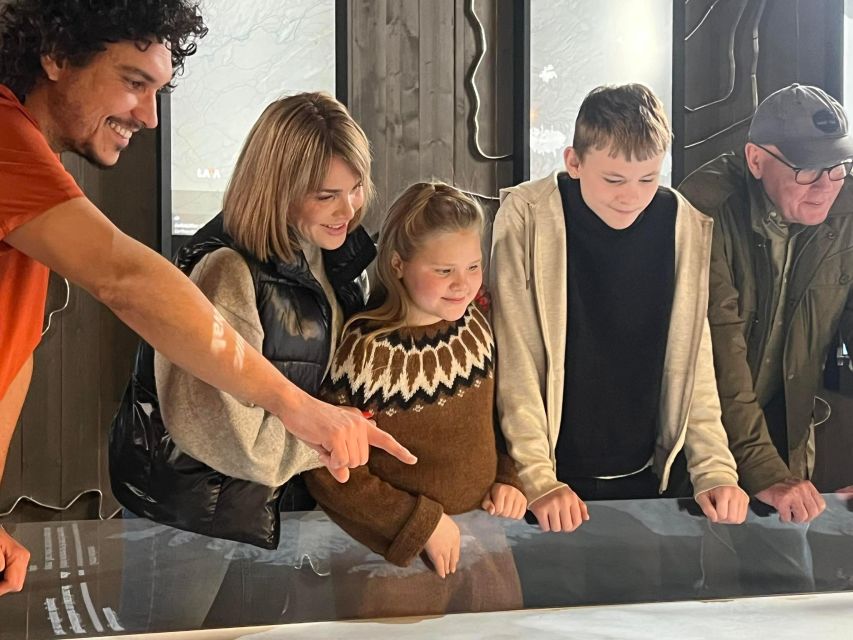
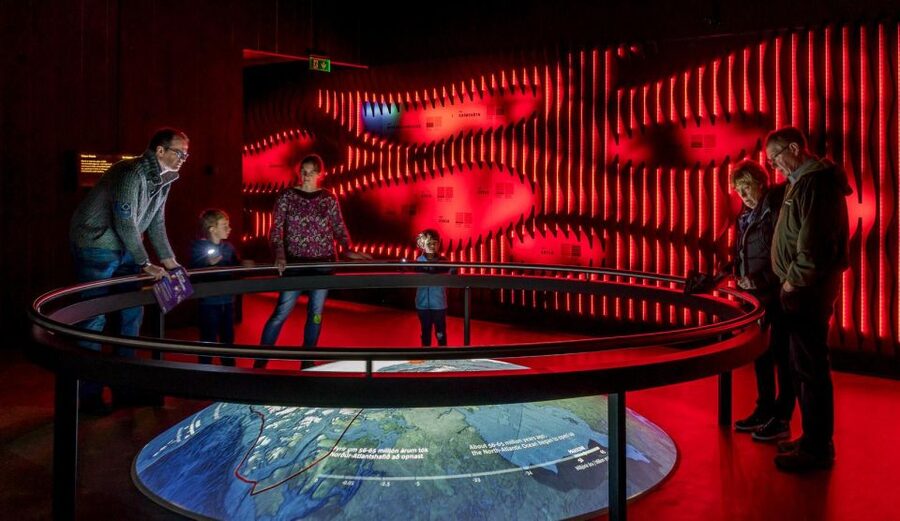
The Trembling Earth section explains the connection between tectonic plates and earthquakes. Iceland sits where plates pull apart, while magma rises from below. That combination helps explain why tremors are part of ordinary life here.
A live earthquake map shows activity as it happens. This is one of the more useful parts of the center because it makes the subject current. Earthquakes are not only a chapter from the past. The map shows that the ground beneath Iceland is still active.
Then comes the earthquake simulator. It gives you a short physical sense of what a quake feels like, rather than leaving the subject as a diagram on a wall. The simulator should appeal to families and children, but adults who want a clearer feel for Iceland’s geology will get something from it too.
I like this section because it links a scientific cause to a simple human reaction. You hear about plate boundaries, then the floor movement makes the idea less abstract. Ear muffs are included, which is useful for young children or anyone sensitive to sudden sound.
The center also provides flashlights and support teddy bears for its youngest visitors. Those details point to a family-friendly setup, although the subject itself still has enough substance for adults who want more than a quick photo stop.
The Fiery Heart Explains Magma and Lava
The Fiery Heart of Iceland display moves from earthquakes to the heat below the island. It explains the normal upward flow of magma along the places where tectonic plates separate, then adds another important factor: a mantle plume, or hot spot, beneath Iceland.
The hot spot is pinpointed in the central highlands. That detail helps explain why Iceland has such strong volcanic activity despite being a relatively small country. The island is shaped by both the separating plates and the hot material rising from below.
You will also learn the difference between magma and lava. Magma is molten rock beneath the surface. Once it erupts, it is called lava, while airborne fragments are known as tephra. This sounds basic, but it is exactly the kind of distinction that helps when you later read signs about eruptions or walk across dark volcanic ground.
The displays connect these terms to visible results. Magma can break apart when it meets water or ice, or when it is thick with gas. The pieces may spread across wide areas as tephra. That helps explain why an eruption can affect places well beyond the crater itself.
This part is strongest when you take your time. If you simply pass from station to station, it can feel like a lot of technical information. Give yourself a few minutes to connect the moving plates, hot spot, magma, lava, and tephra. The story becomes much easier to remember.
The Magma Learning Center Shows Many Volcano Types
Iceland has 30 volcanic systems, and they do not all behave in the same way. The Magma Learning Center introduces different volcanic structures and shows how eruptions can create new forms.
That variety is important. Iceland is not built from one standard volcano repeated across the country. The shapes and materials differ, and eruptions can change the ground in different ways. Some volcanic activity creates broad fields, while other events produce more distinct cones, craters, or layers of ash and rock.
The center’s artistic displays help break up the science. You are not reading a long technical essay from beginning to end. The information is spread across interactive features and visual presentations, so you can move at your own pace.
I would give this area more attention if you already enjoy geology. If you are visiting with children, it may be better to let them explore the hands-on elements first, then return to the explanations that interest you. The displays are designed for independent exploration rather than a fixed, guide-led route.
English and Icelandic are the available languages for the host or greeter. No individual guide names are provided, and this is mainly a self-guided exhibition rather than a tour built around a named expert.
More museums in Iceland:
- Reykjavik: Perlan Museum Wonders of Iceland Entrance Ticket
★ 4.7 · 2,575 reviews - Reykjavík: Hop-On Hop-Off Bus and Perlan Museum Entry Ticket
★ 4.3 · 719 reviews - Reykjavik: Whales of Iceland Museum Entrance Ticket
★ 4.4 · 493 reviews - Reykjavík: National Museum of Iceland Entry Ticket
★ 4.4 · 432 reviews
Recent Eruptions Bring the Story Up to Date
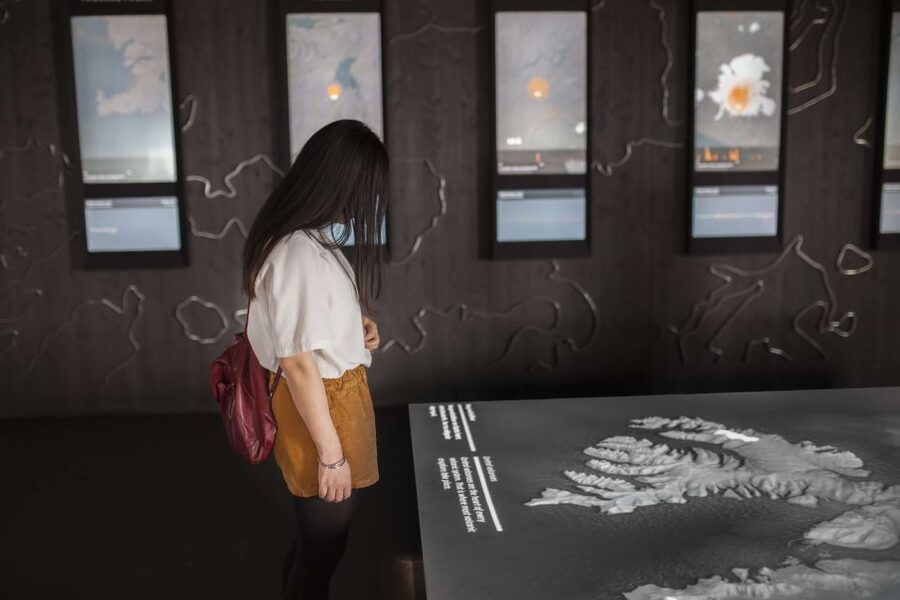
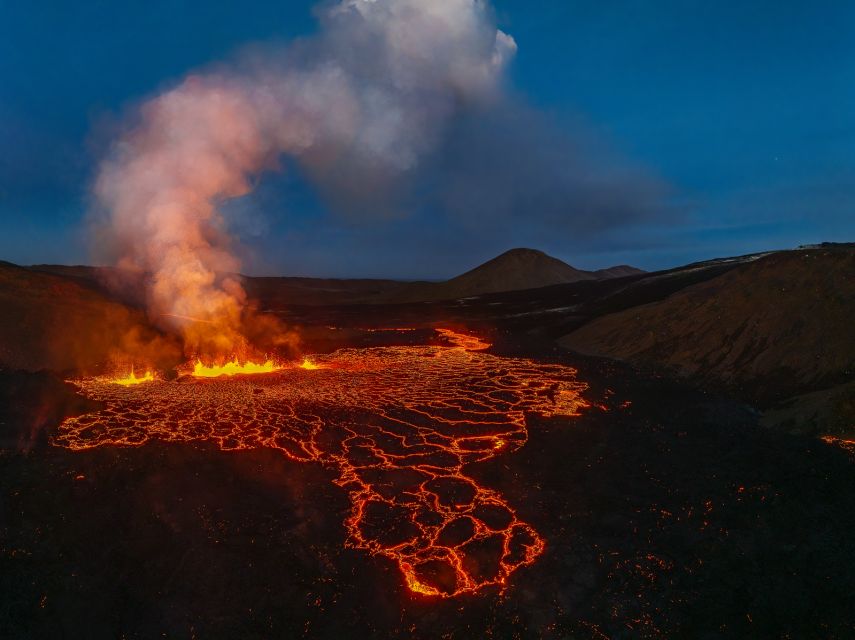
The cinema is one of the strongest reasons to include Lava Centre in a South Iceland itinerary. It shows the latest eruptions, including footage from Grindavík and the Blue Lagoon area.
That recent focus keeps the center from feeling like a museum frozen in the past. Iceland’s volcanic story is still unfolding, and the film helps you see the scale and force of eruptions that are difficult to witness safely in person.
The cinema is also useful if weather blocks your views outside. You may arrive under low cloud and see little from the observation deck. The film gives you a more dramatic look at eruptive activity, while the displays explain what caused it.
Do not expect the film alone to fill a whole day. The attraction works best as a combination of film, interactive exhibits, and outdoor viewing. The moving images provide drama, while the educational sections give the context.
If you have already seen extensive eruption footage elsewhere in Iceland, this portion may feel less essential. For most visitors, though, it adds a direct connection to current events, especially if you have followed the activity around Grindavík or planned to visit the Blue Lagoon.
Meet Hekla, Katla, and Eyjafjallajökull Outside
The Local Volcano section gives you a panoramic view of four large, active but dormant volcanoes, along with a group of volcanic islands. The observation deck offers the same basic reward in the open air.
The named peaks include Eyjafjallajökull, Katla, and Hekla. Two of the volcanoes in view are among Iceland’s most active and productive, so the view is more than a scenic backdrop. You are looking toward major parts of the country’s volcanic system.
Weather will decide how much you see. The information provided does not promise clear conditions, and Iceland’s cloud cover can change quickly. Keep your expectations flexible. On a clear day, the deck adds real value. On a cloudy day, the indoor displays and cinema carry more of the visit.
Bring the viewing deck into your plan after the exhibition, not before. Once you know what the volcanoes do, you can look at the horizon with more purpose. You may not identify every peak at a glance, but the displays provide a guide to the different volcano types and their roles.
The deck is also a welcome change of pace after the indoor sections. You can step outside, take in the air, and compare the actual terrain with the diagrams and films you have just seen.
How Long You Need and What $42 Buys
Admission costs $42 per person and covers the Lava Centre exhibition, cinema, and observation deck. Food and drinks are not included.
The value depends on how you use it. If you spend only 30 minutes walking through the displays, the price is hard to defend. If you watch the film, try the earthquake simulator, study the volcano sections, and spend time outside, the ticket becomes more reasonable as a full educational stop.
A practical visit may take about an hour, based on the available timing information. You can spend longer if you read the displays carefully or are traveling with children who want to use each interactive feature. The ticket is valid for one day, so you are not forced into a narrow visit window once inside.
I would compare the cost with what you want from the day. If you are driving through South Iceland and want a short indoor stop that adds meaning to the scenery, this can be worthwhile. If your schedule is already full of paid attractions and you are mainly looking for a quick viewpoint, the deck alone may not justify $42.
There is no meal included, so plan food separately. That is easy enough, but it means you should not count on the ticket as an all-in visit with refreshments.
Family Needs, Wheelchair Access, and Practical Comfort
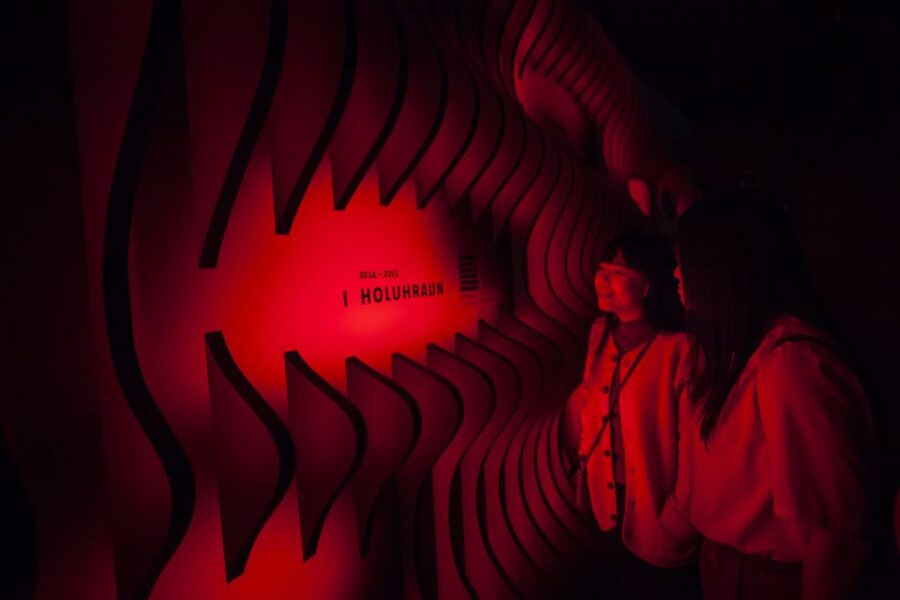
Lava Centre is wheelchair accessible, which makes it a useful choice for a mixed-age or mixed-mobility group. Wheelchairs are included among the available facilities.
Families with young children get a few thoughtful touches: ear muffs, flashlights, and support teddy bears. These do not change the scientific content, but they can make the visit easier for smaller children who may find loud effects or dark areas uncomfortable.
The earthquake simulator may be the most memorable feature for children, while the cinema offers a clear visual break from reading. Older children and teenagers can also follow the plate movement and eruption material without needing a long lecture.
The experience is not described as a private tour, and no group size is provided. You should expect an exhibition environment where you move between displays at your own pace, with an English or Icelandic host or greeter available.
Free cancellation is available up to 24 hours before the visit for a full refund, and you can reserve now and pay later. Those terms are useful in Iceland, where weather can change a driving plan quickly. Check the available starting times when you book because the activity is listed as valid for one day rather than as a fixed multi-day ticket.
Who Will Get the Most From Lava Centre?
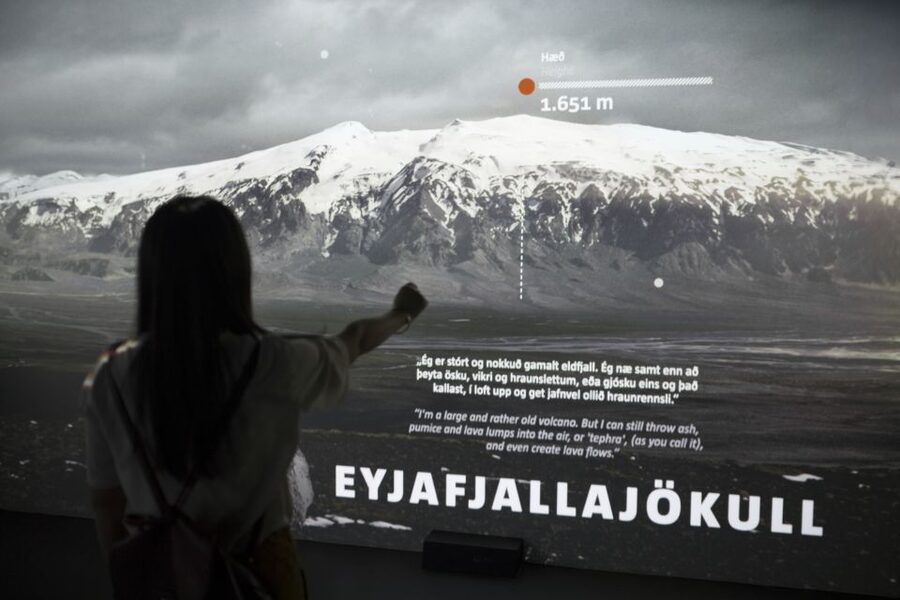
I would recommend Lava Centre most strongly to people who want context. If you are curious about why Iceland looks the way it does, the displays connect the dots in a way that roadside stops cannot.
It also suits families who need an indoor break. The interactive stations, simulator, cinema, and small-child equipment give younger visitors several ways to stay involved. The visit is compact enough to fit between other South Iceland stops.
It is a good pick for anyone concerned that bad weather may spoil a scenic viewpoint. You cannot control the clouds outside, but the cinema and indoor displays still provide a substantial part of the experience.
You may be less interested if you have little patience for explanatory displays or have already spent several days in geology museums. The deck is not guaranteed to offer clear views, and the visit does not include transport, food, or a walk on volcanic ground.
My Take: Book It for Context, Not Just the View
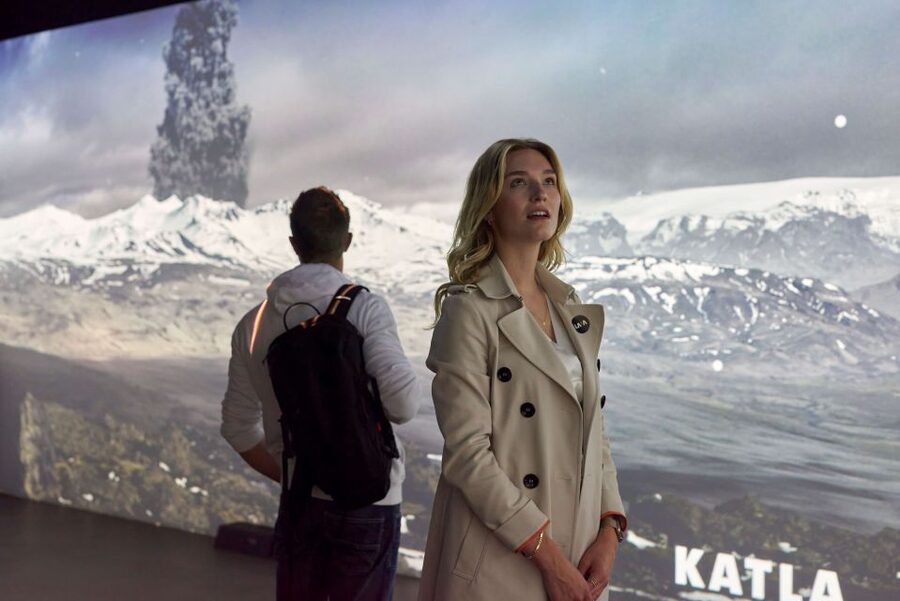
Book Lava Centre if you want to understand the forces behind South Iceland’s volcanoes, especially if you are traveling with children or need a weather-proof stop. The earthquake simulator, current eruption film, and views toward Hekla, Katla, and Eyjafjallajökull give the visit a useful mix of science and spectacle.
At $42, I would not squeeze it into an already crowded schedule for a quick look. Set aside about an hour or more, use the interactive displays properly, watch the cinema film, and step onto the viewing deck. Done that way, it offers a clear, memorable explanation of Iceland’s fiery foundations.
FAQ
Where is Lava Centre located?
Lava Centre is in Iceland’s Southern Region, with views toward major volcanoes including Hekla, Katla, and Eyjafjallajökull.
What does the $42 admission include?
The price includes entry to the Lava Centre exhibition, cinema, and observation deck. Food and drinks are not included.
How long is the visit?
The activity is valid for one day, and a visit can take about an hour. You may spend longer if you carefully explore the interactive displays, watch the film, and use the viewing deck.
Is Lava Centre wheelchair accessible?
Yes. The activity is wheelchair accessible, and wheelchairs are included among the available facilities.
What languages are available?
The host or greeter languages are English and Icelandic.
Can I cancel my booking?
Yes. You can cancel up to 24 hours in advance for a full refund. Reserve now and pay later is also available.
Just added around Iceland
- From Reykjavik: Private Golden Circle Tour in Iceland★ 5.0 · 3 reviews
- Northern Lights Private Tour from Reykjavik★ 5.0 · 3 reviews
- Exclusive Ice Climbing Experience on Sólheimajökull★ 5.0 · 3 reviews
- Private South Coast Tour: A Journey to Iceland’s Stunning Shore★ 4.5 · 3 reviews
- Easy Hike on Sólheimajökull glacier★ 5.0 · 3 reviews
- Golden Circle Private Tour Tomato Soup Lunch and Secret Lagoon with Photography★ 5.0 · 3 reviews
- Hot and cold G spots challenge★ 5.0 · 3 reviews
- Authentic Reykjavik Food Tour with Flea Market Delights★ 4.2 · 3 reviews
Volcano Tours, compared.
Golden Circle with Kerid Volcanic Crater Day Tour from Reykjavik
Read our review →
Golden Circle, Volcano Crater and Blue Lagoon Small-Group Tour
Read our review →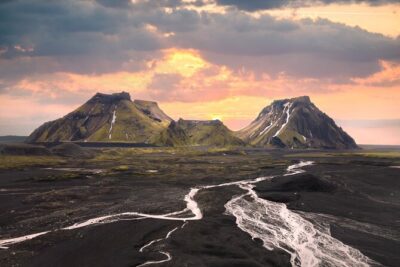
Ice Cave by Katla Volcano Super Jeep Tour from Vik
Read our review →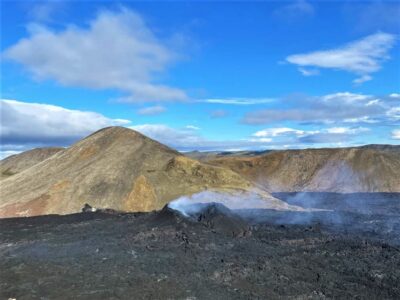
Volcano Eruption Site and Reykjanes Hiking Tour
Read our review →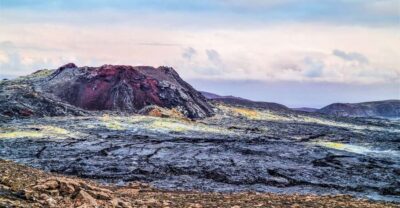
Guided Afternoon Hiking Tour to New Volcano Site
Read our review →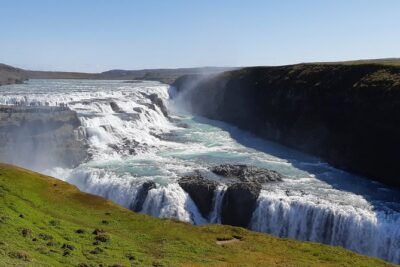
Golden Circle and Kerid Volcanic Crater Small-Group Day Tour
Read our review →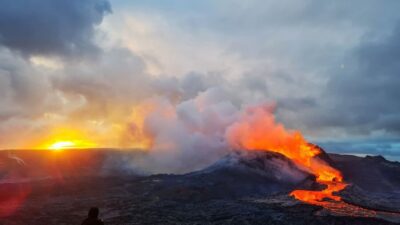
Browse the lists this tour appears in