
Reviewed · MUSEUMS
Hellisheiði Geothermal Exhibition: Entry and Audio Tour
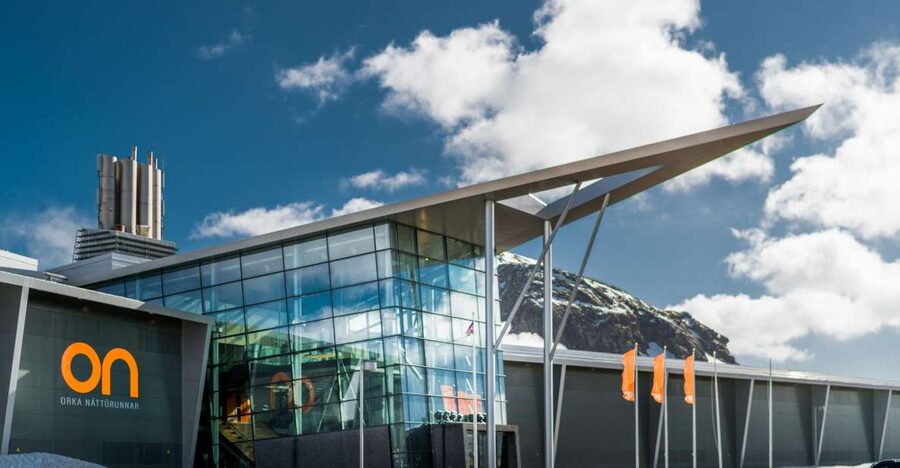
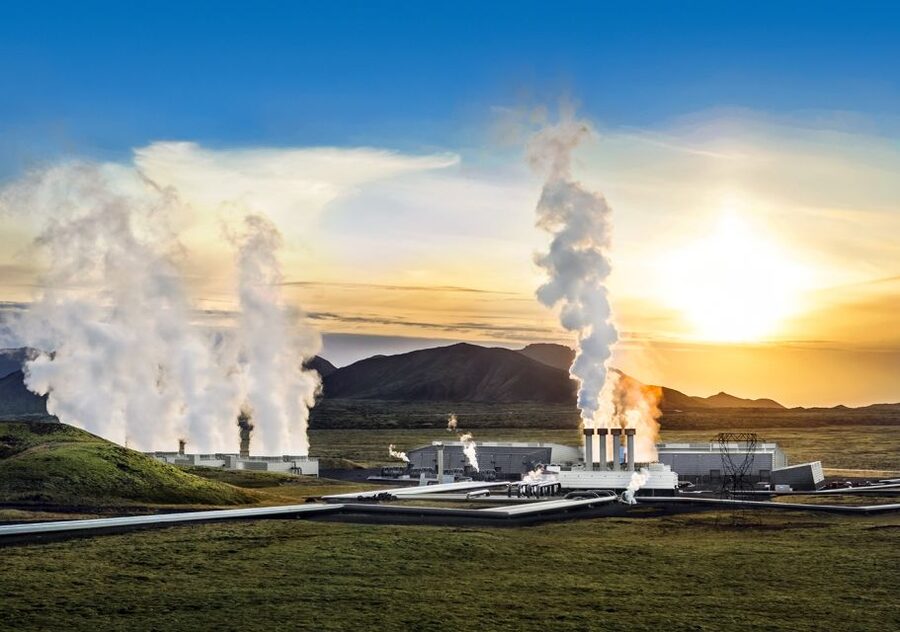
Iceland’s geothermal power is not just a hot-spring curiosity. At Hellisheiði, you see the industrial side of it: how heat and water from beneath Mount Hengill become useful energy for homes and communities. The exhibition is interactive and easy to follow, even if you arrive knowing little about geology or engineering.
I like the freedom to move at your own pace, and I like the Carbfix room, which connects geothermal power with the larger problem of carbon emissions. The mountain scenery, lava fields, moss, and indoor viewing platforms add plenty of atmosphere. The main drawback is simple: this is not a guided plant tour, so you will not get a hard hat, safety vest, or close walk around the massive machinery.
Key points to know
- See a working geothermal plant: The exhibition sits at Hellisheiði Power Plant beneath Mount Hengill, one of Iceland’s major geothermal sites.
- Use your own phone: The audio tour works on Android and iOS, and you should bring headphones plus a fully charged smartphone.
- Learn through exhibits and films: Interactive displays and audio commentary explain how underground heat becomes electricity and hot water.
- Do not expect a guided industrial visit: Staff can answer questions, but the main experience is self-guided.
- Allow about an hour or more: The ticket is valid for one day, and you can stay as long as you like after entering.
- Good for mixed-age groups: Adults and teenagers can follow the science well, while younger children may need help with the harder concepts.
Why Hellisheiði is worth a stop near Reykjavík
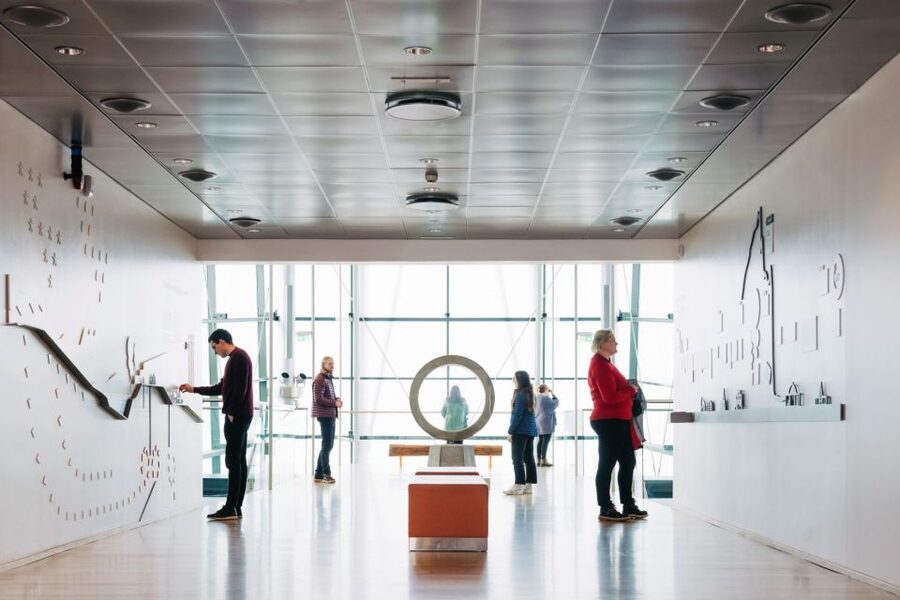
The Hellisheiði Geothermal Exhibition gives you a useful look at the machinery behind Iceland’s clean-energy reputation. You are not simply seeing a display about volcanoes or hot springs. You are learning how a real power plant uses underground heat on a large scale.
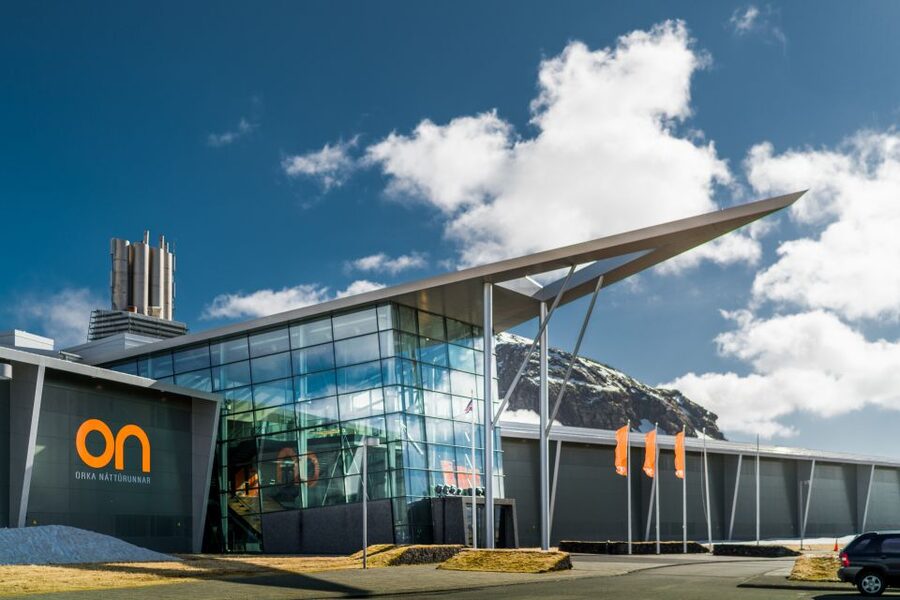
The plant is about 20 minutes from Reykjavík, at Hellisheiðarvirkjun near Selfoss. Its setting beneath Mount Hengill is part of the experience. Outside, you see lava fields, moss, and mountain scenery. Inside, the exhibition explains what lies below your feet and how engineers turn that natural heat into energy.
I like this combination of big environmental ideas and practical engineering. Iceland’s geothermal resources are often presented as a postcard attraction, but here you can follow the process from the earth to the power system. That makes the visit useful for anyone curious about energy, climate policy, science, or Iceland’s daily life.
The experience also works well as a break from outdoor sightseeing. If weather turns cold, wet, or windy, you can spend time indoors with interactive displays and audio commentary. The plant is wheelchair accessible, and free parking makes it a straightforward self-drive stop.
More museums in Iceland:
- Reykjavik: Perlan Museum Wonders of Iceland Entrance Ticket
★ 4.7 · 2,575 reviews - Reykjavík: Hop-On Hop-Off Bus and Perlan Museum Entry Ticket
★ 4.3 · 719 reviews - Reykjavik: Whales of Iceland Museum Entrance Ticket
★ 4.4 · 493 reviews
Getting to the plant beneath Mount Hengill
The meeting point is the entrance to the Geothermal Exhibition at Hellisheiðarvirkjun, 801 Selfoss. You go directly to the entrance with your ticket. The activity is described as being roughly 20 minutes outside Reykjavík, making it practical for a short outing or as part of a drive toward the southern region.
This is not a city-center attraction, so you need to plan your own transport to the power plant. The useful tradeoff is that you avoid a fixed group departure and can fit the exhibition around your day. You might stop before continuing toward Selfoss, or make it a short educational outing from Reykjavík.
Free parking is included. That matters here because the site is designed for arrival by car rather than for wandering in from a central pedestrian area.
The plant is surrounded by stark Icelandic scenery. You may find the setting just as memorable as the exhibition itself, particularly when the mountain and lava-country views are clear. The indoor viewing platforms let you look out at the surroundings without turning the visit into an outdoor hike.
Starting with the interactive exhibition
Once inside, you follow a self-guided route through the exhibition. The displays use audio, films, and interactive elements to explain geothermal energy in a way that does not require a science background.
The presentation covers the history of geothermal energy in Iceland and the process used at Hellisheiði. Expect to learn about the relationship between heat, underground water, wells, electricity production, and hot water. The goal is not to turn you into a power-plant engineer, but to give you a clear picture of a complicated system.
The interactive parts are an important reason to choose this exhibition instead of simply reading a few panels at a visitor center. You can take your time, replay or revisit material as needed, and spend longer on the sections that interest you.
If you are visiting with teenagers, the technology and environmental themes give them something concrete to consider. Adults who enjoy science and engineering will probably want to stay longer than the minimum hour. Younger children can take part in the displays, but they may need you to explain why the process matters and how the parts fit together.
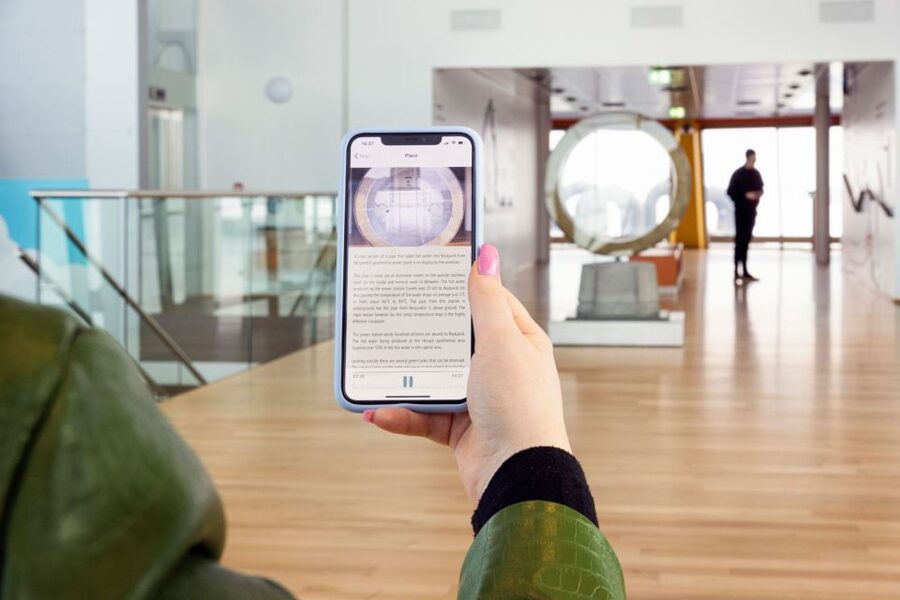
The audio guide is available in English and Icelandic. It is delivered through an Android or iOS device, so bring a charged smartphone and headphones. That small preparation matters. Arriving without headphones or with a low battery could make the self-guided format less comfortable.
Following the production process
The most useful way to approach the exhibition is to pay close attention to the section explaining the production process. One helpful strategy is to find the display identified as Stop 9, Production Process, early in your visit.
This section gives you the basic framework for understanding the rest of the exhibition. Once you grasp how the industrial process works, other displays become easier to place. You can then appreciate the scale of the research, engineering, and investment involved instead of seeing each machine or diagram as an isolated fact.
I would not rush this part. The exhibition is flexible, so you can spend enough time on the production process before moving to the films and interactive stations. If you arrive with little knowledge of geothermal power, this approach will save you from feeling that the information is scattered.
The audio tour helps make technical material more approachable, although you should expect a self-guided presentation rather than a conversation with an expert. Staff are available for questions, and the reception team can help you get started. Still, you control the order and pace of the visit.
A few more Iceland half-days worth a look
- South Coast Iceland from Reykjavik with Guide & Touchscreen Audio
★ 4.5 · 330 reviews - Reykjavik Main Sights and Hidden Spots: A Self-Guided Audio Walk
★ 4.5 · 39 reviews - Iceland’s Golden Circle Self-Guided Audio Driving Tour
★ 4.5 · 38 reviews - Self-Guided Tour of Ísafjörður: Art, History, and Architecture
★ 5.0 · 23 reviews
The Carbfix room and the climate question
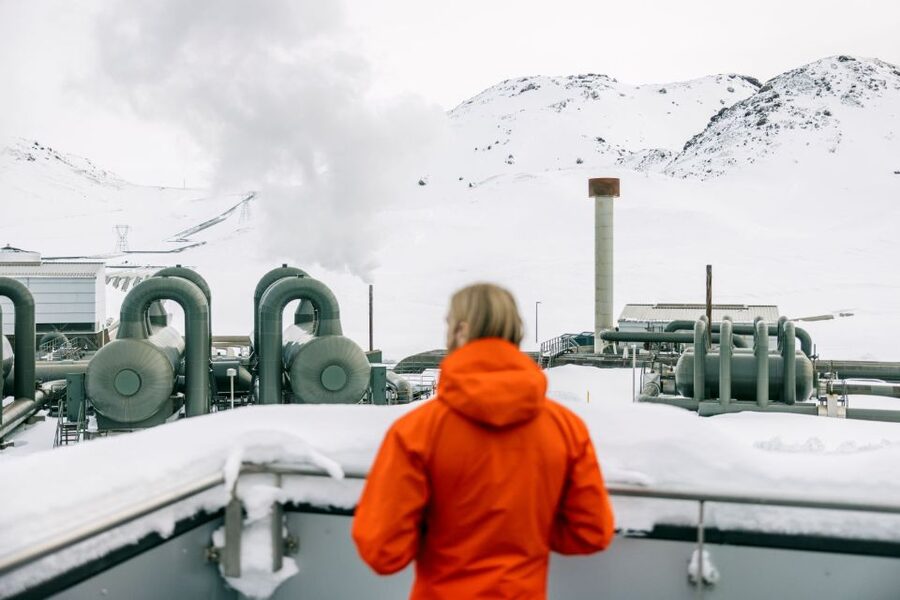
The Carbfix room adds an important climate angle. Carbfix is a leading solution connected with the climate crisis and global warming, and the exhibition explains the plant’s partnership with the organization.
This section broadens the visit beyond the simple idea that geothermal energy is clean. It encourages you to think about emissions, carbon management, and the work needed to reduce the environmental cost of energy production.
That is one of the strongest parts of the experience for me because it avoids treating renewable energy as a magic answer. You get a look at the effort to make energy systems more sustainable, along with the technical challenges involved.
The Carbfix display may be especially useful for teachers, students, and anyone interested in climate technology. A science teacher could easily draw classroom connections from the material. The exhibition also gives you something to think about after you leave, since the central issue is not limited to Iceland.
Films, audio, and viewing platforms
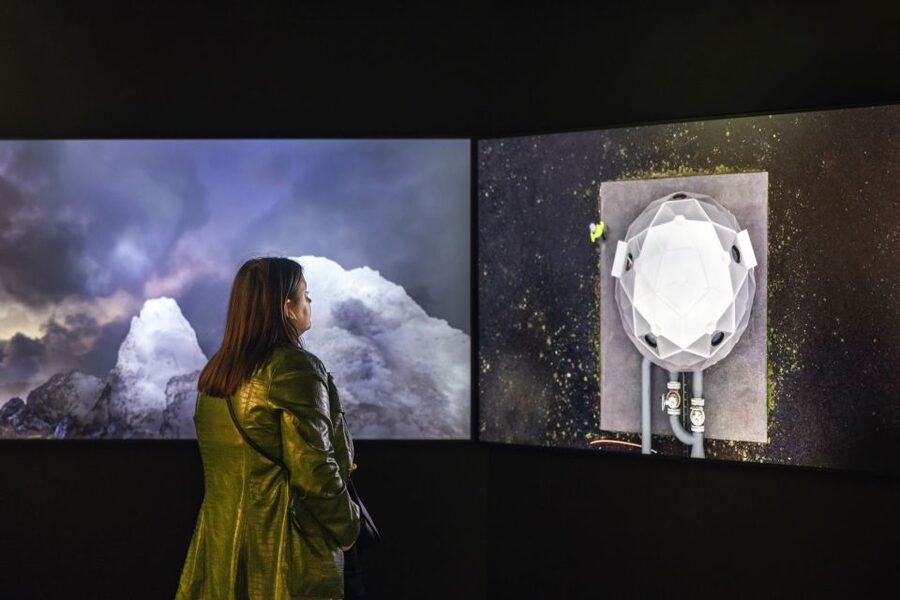
The exhibition uses films and audio commentary alongside the physical displays. The audio is available in English and Icelandic, and the films provide another way to understand the plant’s work.
The self-guided arrangement has a clear advantage: there is no rush. You can pause at an exhibit, spend more time with a film, or move on when a section is less relevant to you. You also do not have to keep up with a group.
There is a limitation. The audio guide can feel somewhat disjointed if you expect a single continuous story. You need to pay attention to the sequence of displays and use the production-process section to organize the information in your mind.
Indoor viewing platforms provide a better look at the surrounding nature. They are not a replacement for entering the plant itself, but they help connect the exhibits with the real site outside. You are looking at the setting where geothermal energy is produced, not an entirely separate museum display.
The clean, well-designed facility is another practical plus. The environment is comfortable for an educational stop, and food and drinks are available to purchase on-site if you need a break.
What the self-guided format means
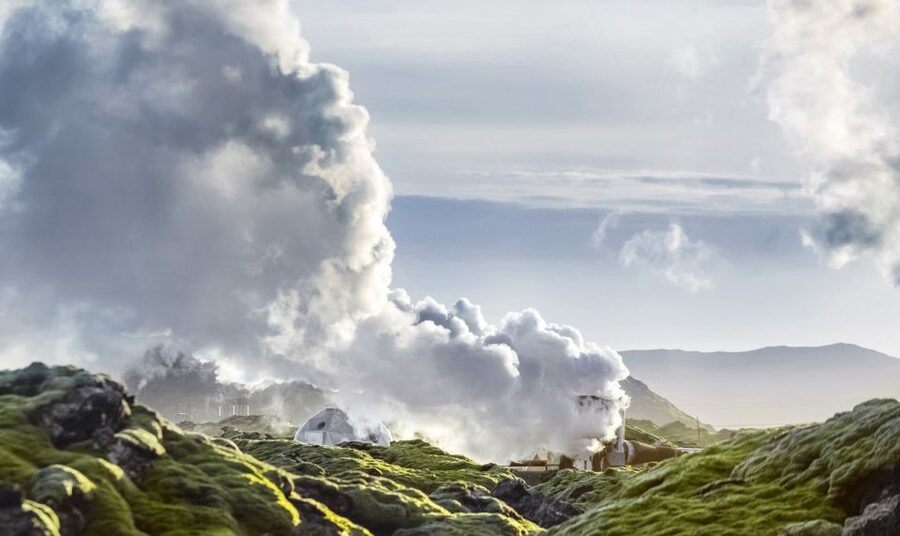
You should book this activity expecting a museum-style visit inside an operating power-plant setting, not a guided walk through restricted industrial areas. There is no tour guide included, and no promise of plant-floor access.
That distinction is important. You might imagine wearing a hard hat and safety vest while standing beside huge turbines or pipes. That is not part of this ticket. The exhibition gives you information, films, displays, and viewing areas instead.
I see the lack of a guide as both a weakness and a benefit. If you want personal explanations and the chance to ask questions as you go, a staff-led tour would be more satisfying. One visitor specifically wished for an employee-led explanation, especially since the exhibition can be quiet at times.
On the other hand, the self-guided setup keeps the price lower and gives you control. Staff are present, and you are welcome to ask questions. If you arrive with a few topics in mind, such as drilling, energy production, or carbon storage, you can ask about them rather than waiting for a fixed script.
The host and greeter support is listed in English and Icelandic. The audio guide uses those same two languages.
How long should you allow?
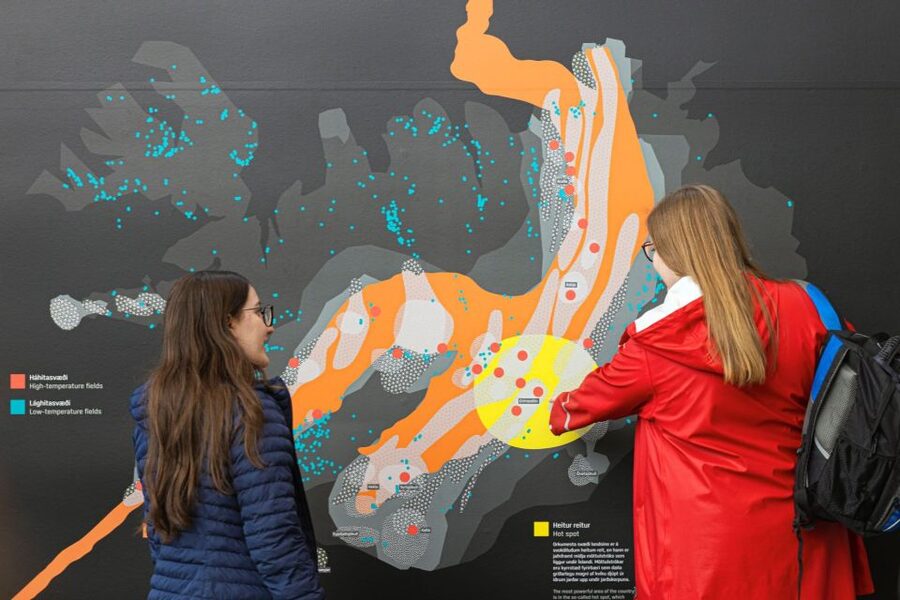
The ticket is valid for one day, and once you enter, you can stay as long as you like during opening hours. The practical visit can take about an hour, but science-minded visitors may want longer.
In winter, from November 1 through March 31, opening hours are 9 AM to 4 PM. In summer, from April 1 through October 31, the exhibition is open from 9 AM to 5 PM.
The flexible start time is useful if you are building a driving day around changing weather. You do not need to fit into one narrow entry slot. Still, check the available times when booking because the activity uses seasonal hours.
I would plan enough time to listen to the main audio sections, watch the films, stop at the production-process display, and visit the Carbfix room. Add time for questions and the viewing platforms if the scenery is good.
Is the 21 dollar price good value?
At $21 per person, this is not the cheapest quick stop in Iceland, but it offers more than a basic information room. You get entrance to the exhibition, a self-guided audio tour, access to interactive displays and films, free parking, and time to explore without a strict limit after entry.
The value is strongest if you are genuinely interested in geothermal energy, climate solutions, science, or Iceland’s approach to natural resources. Teachers, older children, teenagers, and adults who like technology can get a solid educational experience for the fee.
The value is weaker if you are hoping for a dramatic ride, a hike, or a close look at operating machinery. The plant is impressive, but you experience it through the exhibition rather than through a guided industrial tour.
Flexible cancellation up to 24 hours before the activity and the option to reserve now and pay later reduce the risk if your Iceland plans are still shifting. These booking terms do not change what you see, but they can make it easier to fit the stop into a weather-dependent itinerary.
Who will enjoy Hellisheiði most?

I would recommend Hellisheiði to:
- Science and technology fans: The production process and interactive displays give you real substance.
- Families with older children: Teenagers can follow the energy and climate themes, while younger children may need extra explanation.
- Teachers and students: The exhibition offers useful material about engineering, sustainability, and natural resources.
- Road trippers near Reykjavík or Selfoss: Free parking and flexible timing make it easy to add to a driving day.
- Visitors seeking an indoor activity: The exhibition provides a useful option when outdoor plans are uncomfortable.
- Anyone curious about Iceland beyond waterfalls and hot springs: You see how a natural resource is used in everyday life.
You might skip it if your priority is an escorted tour, close access to plant machinery, or a highly social group activity. The experience asks you to read, listen, watch, and think at your own pace.
Practical tips before you go
Bring headphones and a charged smartphone. The audio tour is included, but your own device is part of the setup.
Start with the production-process section if geothermal power is new to you. Stop 9, Production Process, provides a helpful base for understanding the rest of the exhibition.
Do not rush the Carbfix room. It connects the plant’s work with the wider problem of global warming and gives the visit more weight than a simple explanation of electricity generation.
Ask the on-site staff questions. The exhibition is self-guided, but staff can add useful clarification, and the reception team has been helpful with orientation.
Give yourself time to look outside. The lava fields, moss, and mountain views are not filler. They help you connect the technology inside with the unusual geology surrounding the plant.
Should you book the Hellisheiði exhibition?
Book it if you want a clear, thoughtful look at how Iceland uses geothermal energy, especially if you appreciate interactive science displays and climate technology. The combination of a real power-plant setting, the Carbfix room, flexible timing, and English audio makes it an easy addition near Reykjavík.
I would be less enthusiastic if you expect a guided walk inside the plant or dramatic access to industrial equipment. This is a self-guided exhibition, not a hard-hat tour.
For $21, the visit offers good value to curious adults, families with older children, and anyone who wants to understand the working system behind Iceland’s geothermal reputation. Bring headphones, start with Stop 9, and allow at least an hour so the technical information has time to make sense.
FAQ
Where is the Hellisheiði Geothermal Exhibition?
The exhibition is at Hellisheiðarvirkjun, 801 Selfoss, Iceland, roughly 20 minutes outside Reykjavík beneath Mount Hengill.
How much does entry cost?
Entry costs $21 per person.
Is the tour guided?
No. The experience is self-guided, with an audio tour available on Android and iOS. On-site staff are available to answer questions.
What languages are available?
The audio guide and host or greeter support are available in English and Icelandic.
Do I need to bring anything?
Bring headphones and a charged smartphone for the audio tour.
How long can I stay?
The ticket is valid for one day, and you can stay as long as you like after entering during the exhibition’s opening hours.
What are the opening hours?
Winter hours, from November 1 through March 31, are 9 AM to 4 PM. Summer hours, from April 1 through October 31, are 9 AM to 5 PM.
Is the exhibition wheelchair accessible?
Yes, the exhibition is wheelchair accessible. Free parking is included, and food and drinks are available to purchase on-site.
More Audio Tours in Iceland
- Reykjavik Scavenger Hunt and Highlights Self Guided Audio Tour
★ 4.5 · 8 reviews - Icelands Reykjavik Self Guided Walking Audio Tour
★ 5.0 · 6 reviews - Snaefellsnes Peninsula Self-Guided Driving Audio Tour
★ 5.0 · 5 reviews
Just added around Iceland
- From Reykjavik: Private Golden Circle Tour in Iceland★ 5.0 · 3 reviews
- Northern Lights Private Tour from Reykjavik★ 5.0 · 3 reviews
- Private South Coast Tour: A Journey to Iceland’s Stunning Shore★ 4.5 · 3 reviews
- Exclusive Ice Climbing Experience on Sólheimajökull★ 5.0 · 3 reviews
- Easy Hike on Sólheimajökull glacier★ 5.0 · 3 reviews
- Golden Circle Private Tour Tomato Soup Lunch and Secret Lagoon with Photography★ 5.0 · 3 reviews
- Hot and cold G spots challenge★ 5.0 · 3 reviews
- Authentic Reykjavik Food Tour with Flea Market Delights★ 4.2 · 3 reviews
Museums, compared.
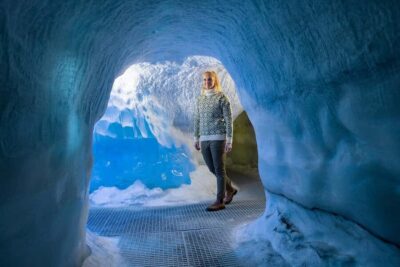
Perlan Museum Wonders of Iceland Entrance Ticket
Read our review →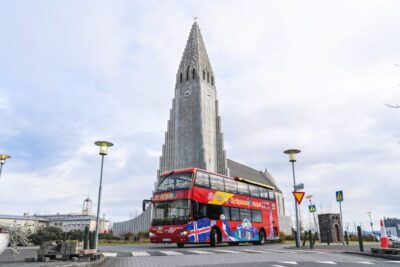
Hop-On Hop-Off Bus and Perlan Museum Entry Ticket
Read our review →

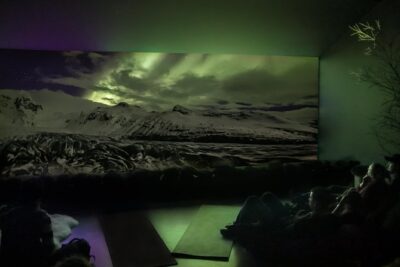
Aurora Reykjavík, The Northern Lights Center Museum Visit
Read our review →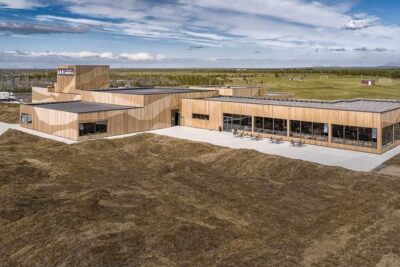
Ancient Historical Site Tour at the Caves of Hella
Read our review →
Browse the lists this tour appears in