
Reviewed · MUSEUMS
Geothermal Energy Exhibition Entry Ticket
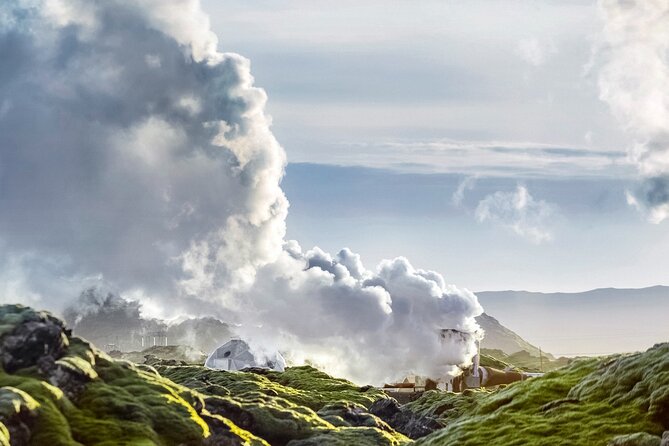
Iceland’s geothermal story becomes clear at the Hellisheiði geothermal power plant, where volcanic heat is turned into electricity and hot water. The exhibition uses screens, films, working-style displays, and views into the turbine halls to show how the process works.
I like the hands-on valve display, which explains the movement of cold water, hot water, and steam in a simple way. I also like that you can take your time, use the free audio guide, and enjoy wide views of the Icelandic countryside. The main limitation is important: this is an exhibition beside the plant, not a guided walk through the working facility.
Key points before you go
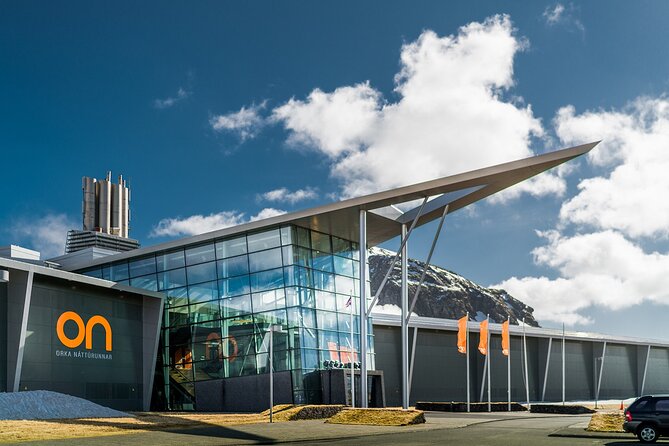
- The turbine halls are viewed from above: You can look into the high and low pressure turbine halls from the third floor, but you cannot enter the operating plant.
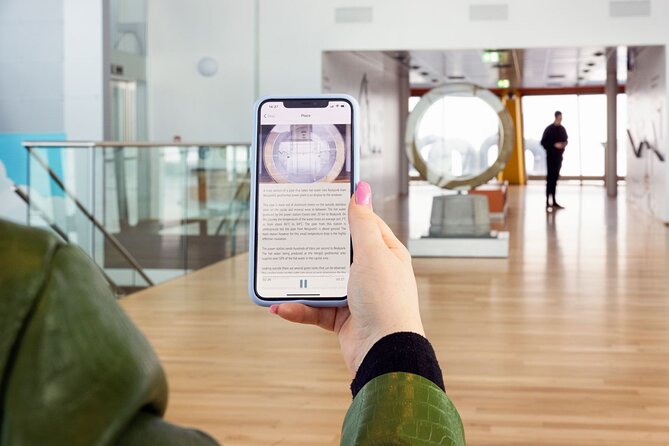
- The audio guide adds real value: Download it at the front desk through the available code or use the ON Geothermal Exhibit app.
- Plan on about one hour: You can stay for up to two hours, though most people with a steady pace will see the main material in about an hour.
- The exhibits make complex science approachable: Multimedia displays and interactive valves explain geothermal production without requiring a technical background.
- It fits well into a South Iceland drive: Free parking makes it a practical stop on a round trip, especially if you are already near Hellisheiði.
- The ticket costs $21.69 per person: That is fair for a polished indoor attraction, but less attractive if you expect a full plant tour.
What you are really visiting at Hellisheiði
The first thing to understand is the type of attraction. You are visiting the Geothermal Exhibition at the ON Power plant, not entering the industrial sections where the plant produces energy.
That distinction matters. Safety and security rules prevent visitors from walking through the working facility. Even exhibition staff cannot enter those restricted areas. Instead, the exhibition gives you a controlled look at the plant from the third floor and outdoor observation decks.
From above, you can see into both the high pressure and low pressure turbine halls. Outside, the viewing decks look toward pipe systems, separation tanks, a steam regulator, and cooling towers. These views are useful because they connect the displays inside with real equipment outside.
I would compare this experience to a science museum attached to a functioning power station. The plant gives the subject weight and a sense of place, but the visit itself is educational and self-guided.
More museums in South Iceland:
- Reykjavik: Perlan Museum Wonders of Iceland Entrance Ticket
★ 4.7 · 2,575 reviews - Reykjavík: Hop-On Hop-Off Bus and Perlan Museum Entry Ticket
★ 4.3 · 719 reviews - Reykjavik: Whales of Iceland Museum Entrance Ticket
★ 4.4 · 493 reviews
Beginning with the audio guide
At the front desk, you receive access to the self-guided material. The audio guide is included in the admission price, and you can download it using the code available at the desk or through the ON Geothermal Exhibit app.
Bring a phone or another internet-connected device if you want to use the audio. One family found the instructions confusing because they had brought headphones but not a suitable device for downloading the guide. The practical lesson is simple: headphones alone are not enough. Bring a phone, tablet, or similar device that can connect to the internet.
The audio guide is worth using. The displays contain plenty of information, and it would be easy to skim past important details if you only read the panels. You can move from station to station at your own pace, pause when a subject catches your interest, and skip material that feels too technical.
English is offered. Staff members are available at the front desk if you have questions, even though there is no guide escorting you through the building. This makes the visit flexible, but you should not expect a scheduled talk or a personal tour.
The cold water, hot water, and steam display
One of the strongest parts of the exhibition is the interactive display showing how cold water, hot water, and steam move through the geothermal system. It gives you a clear visual sense of the process instead of leaving you with a wall of technical terms.
Geothermal power can seem abstract when explained only through words. Here, the valves and water stages make the basic sequence easier to follow. You get a better feel for how heat from underground becomes a useful source of energy above ground.
The displays also explain how geothermal energy is harnessed and how the plant connects heat production with electricity. You do not need a background in geology or engineering to follow the main story. The presentation is designed to make the technology understandable for a general audience.
Children can get something from the interactive parts, especially if an adult helps connect each display to the real equipment visible through the windows. Older children and teenagers with an interest in science may want more detail, which is where the audio guide helps.
Multimedia screens and Iceland’s energy story
The exhibition has modern multimedia displays, educational films, and video art. The presentation is not limited to diagrams and printed storyboards, so the subject feels more immediate than a standard information room.
The video art is one of the more memorable touches. It adds a visual sense of Iceland’s natural forces without replacing the practical explanation of how the plant works. You still learn about energy production, but the setting reminds you that geothermal power begins with the country’s volcanic ground.
A separate display about carbon sequestration adds another useful layer. It shows that the exhibition is not only about producing power. It also considers how Iceland can address carbon emissions and manage environmental concerns.
That broader context is helpful. Geothermal energy is often described as clean and sustainable, but a good explanation should also show how the energy system works in practice. The exhibition gives you a chance to think about both the benefits and the technical challenges.
A few more South Iceland half-days worth a look
- Small-Group Golden Circle, Blue Lagoon with Ticket & Kerid Crater
★ 5.0 · 5,631 reviews - Reykjavik: FlyOver Iceland Entry Ticket
★ 4.7 · 3,499 reviews - Reykjavik: LAVA SHOW – Immersive Experience Entry Ticket
★ 4.8 · 3,360 reviews - Lava Show Reykjavik Admission Ticket – Optional Premium Upgrade
★ 5.0 · 3,278 reviews
Looking into the turbine halls
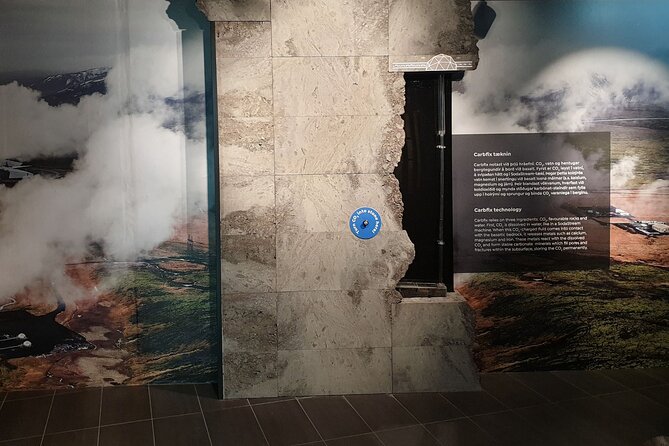
The third-floor viewing area is the closest you get to the plant’s inner operation. You can look down into the high and low pressure turbine halls, giving you a sense of scale and machinery that the indoor displays alone cannot provide.
This is a viewing point, not a walk-through. You remain separated from the active industrial areas, and there is no access to the machinery floor. If you have visited a hydroelectric station where you could walk through the plant, you may find this more limited.
Still, the view helps. It shows that the exhibition is connected to a real power facility rather than being a museum model built somewhere else. You see the turbine halls operating as part of a larger system, even if you cannot examine each component at close range.
I suggest saving this section until after you have spent time with the basic displays. Once you understand the role of steam and pressure, the turbine views make more sense. Otherwise, you may simply see large machines without knowing what each stage does.
The outdoor decks and Icelandic countryside
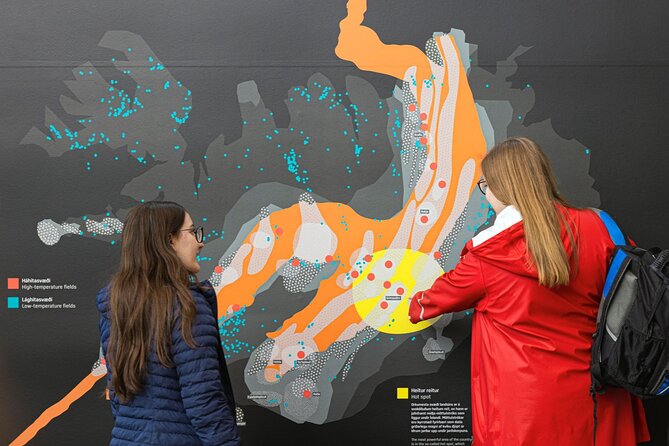
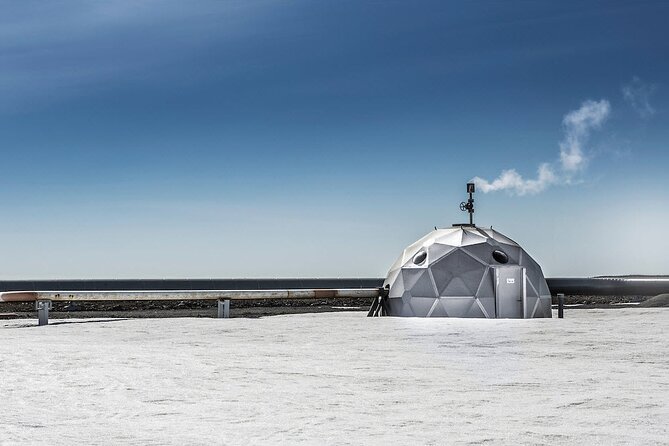
The back decks provide views of the plant’s exterior systems and the surrounding Icelandic countryside. You can see pipes, separation tanks, a steam regulator, and cooling towers from outside.
This is also a good place to pause. The industrial equipment contrasts with the open Icelandic setting around it. You are looking at a modern energy operation in a rural environment, which is part of what makes this stop feel specific to Iceland.
The outdoor areas depend more on the weather than the indoor exhibits. Wind, rain, or low cloud can make the views less rewarding, although the exhibition remains useful as an indoor stop. The experience provider notes that poor weather can lead to cancellation, with a different date or a full refund offered in that case.
Do not confuse the surrounding views with a major sightseeing viewpoint. The main purpose is to see the plant equipment and understand how it fits into the setting. The countryside is an added benefit, not the central attraction.
How long to allow for the visit
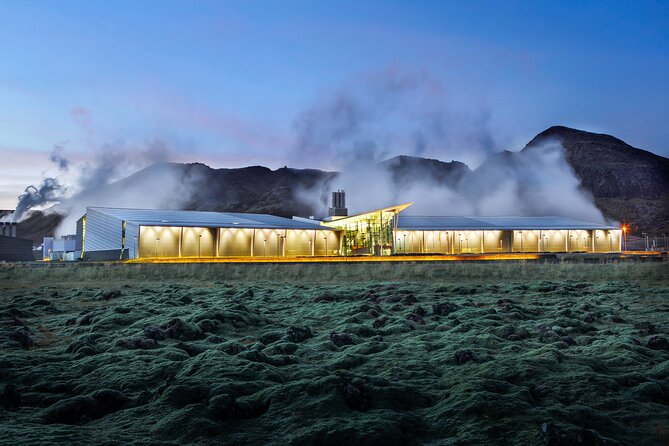
The stated duration is about one to two hours. I would allow one hour for a focused visit and closer to two hours if you listen to all the audio content, read every display, watch the films, and spend time at the viewing areas.
The building can be explored at your own speed. There is no group schedule to follow and no need to wait for a departure time. That works well on a driving day when road conditions or other stops have changed your plans.
The visit may feel short if you are expecting a large museum with many rooms. One person described it as smaller than expected, and that is a useful warning. The value comes from the quality and clarity of the displays, not from the size of the building.
Quiet conditions can be an advantage. You can take your time with the science and use the audio guide without trying to keep up with a group. On the other hand, anyone seeking a lively, social tour may find the self-guided format subdued.
The price and what it buys you
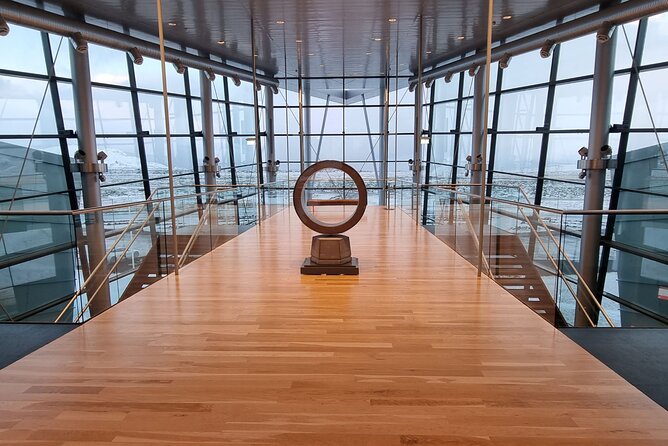
At $21.69 per person, the ticket is reasonably priced for a polished educational attraction with interactive displays, films, audio material, staff support, free parking, and access to viewing areas.
The value depends on your expectations. If you see it as a compact science museum and a useful stop on a South Iceland driving route, the price is fair. You get more than a roadside information panel, and the working plant gives the subject credibility.
If you expect to walk through the actual power station, the price will feel less convincing. The attraction makes clear that it is an exhibition connected to a geothermal plant, but it is worth repeating before you book: you do not enter the plant itself.
Families may find the cost worthwhile because the interactive material gives children a concrete way to understand energy. Adults interested in geology, engineering, sustainability, or Iceland’s power system will likely get the most from the visit.
The exhibition is often booked about 34 days ahead. That does not mean you must plan a month in advance for every visit, but it suggests that adding it to a larger Iceland itinerary ahead of time is sensible.
Where it fits on a South Iceland route
This works best as a planned stop during a South Iceland round trip. Free parking removes one small nuisance, and the one to two hour length is easy to fit between larger outings.
The location is also close to MegaZipline, so you may be able to pair the exhibition with that activity if both are part of your plans. Keep the pairing practical rather than trying to rush through the displays. The audio guide and interactive stations reward a little patience.
I would not make this the sole reason for a long drive if you have no special interest in energy or science. It is most useful when you are already passing nearby or when you want an indoor stop that adds context to Iceland’s natural forces.
The exhibition can also balance a day built around outdoor scenery. After seeing waterfalls, volcanic ground, or other natural sights, you get a look at how Iceland uses those underground forces in daily life. That makes the stop more meaningful than a random indoor attraction.
Who will enjoy it most
This experience suits you if you like learning how places work. It is especially good for:
- Families with children who enjoy buttons, valves, screens, and practical demonstrations
- Adults interested in geology, engineering, or renewable energy
- Visitors who want to understand Iceland’s geothermal power system
- Road trippers looking for a structured stop with free parking
- Anyone who prefers a quiet, self-paced visit over a fixed group schedule
You may want to skip it if your main goal is to enter an operating power plant or stand beside the turbines. The exhibition offers views into the turbine halls, but it does not provide access to the plant floor.
You should also be comfortable using your own device for the audio guide. Staff can answer questions, but the normal format is self-guided rather than a presentation led by an on-site instructor.
Booking, cancellation, and practical details
You receive confirmation when you book, and the ticket is mobile. The experience is offered in English, and service animals are allowed. Most people can participate.
Cancellation is free up to 24 hours before the scheduled start time. Cancel at least 24 hours ahead for a full refund. Changes or cancellations made within 24 hours are not refunded, and late changes are not accepted.
Because the provider lists good weather as a requirement, poor conditions may result in cancellation. In that situation, you are offered another date or a full refund.
For a smoother visit, I would do three things:
- Bring a charged phone or tablet for the audio guide
- Bring headphones if you prefer listening privately
- Leave enough time to use the audio content before heading to the turbine views and outdoor decks
Should you book the Geothermal Exhibition?
Book it if you want a clear, well-presented explanation of geothermal energy and you are already touring South Iceland. The interactive water and steam display, the multimedia material, the carbon sequestration section, and the views into the turbine halls give the $21.69 ticket solid value.
Do not book it expecting a conventional power plant tour. You will not walk through the working facility or stand beside the turbines. Think of this as a compact, modern exhibition attached to a real geothermal plant, with a self-guided audio tour and outdoor views.
For families, curious minds, and anyone who wants more context for Iceland’s energy system, I would include it in a South Iceland route. For visitors focused only on dramatic scenery or hands-on industrial access, spend your time elsewhere.
FAQ
Where is the Geothermal Energy Exhibition located?
The exhibition is in South Iceland at the Hellisheiði ON Power plant.
How long does the visit take?
The visit takes approximately one to two hours. A focused visit using the main displays may take about one hour.
Is this a guided tour of the power plant?
No. The admission is for a self-guided exhibition with an audio guide. Staff members are available at the front desk to answer questions.
Can I enter the working power plant?
No. For safety and security reasons, visitors cannot enter the actual plant. You can view both turbine halls from the third floor and see plant equipment from the outdoor decks.
Is the audio guide included?
Yes. The audio guide is included in the entry fee. You can download it using the code at the front desk or through the ON Geothermal Exhibit app.
Is parking available?
Yes. Free parking is available at the exhibition.
What happens if bad weather cancels the experience?
If the experience is canceled because of poor weather, you are offered a different date or a full refund. For personal cancellations, you must cancel at least 24 hours before the start time to receive a full refund.
Just added around South Iceland
- Glacier Rush – Fast pace snowmobile – SnoMo Glacier★ 5.0 · 10 reviews
- Reykjavik Shore Excursion: The Golden Circle Full Day Tour★ 4.5 · 12 reviews
- Icelandic Horse Riding and Whale Watching Cruise from Reykjavík★ 4.0 · 14 reviews
- 3-Day Icelandic Highlands, Háifoss & Grænihryggur Hiking Tour★ 5.0 · 18 reviews
- The Siggi Tour from Reykjavík: 1.5 to 2-Hour Ride★ 4.5 · 27 reviews
- One-Hour Horseback Riding Tour in the Icelandic Countryside★ 5.0 · 28 reviews
- 4 Days Laugavegur Trekking Tour★ 4.5 · 30 reviews
- Snowmobiling on Langjökull Glacier from Geysir Area★ 5.0 · 34 reviews
Museums, compared.
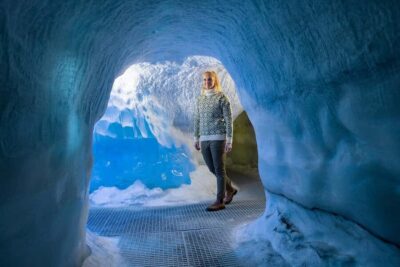
Perlan Museum Wonders of Iceland Entrance Ticket
Read our review →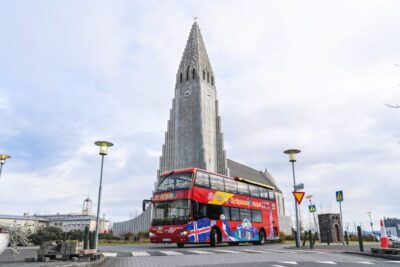
Hop-On Hop-Off Bus and Perlan Museum Entry Ticket
Read our review →

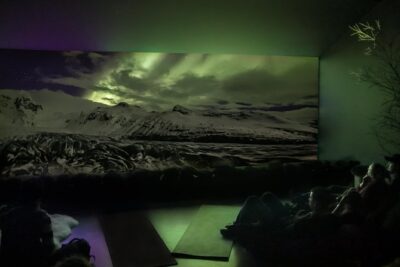
Aurora Reykjavík, The Northern Lights Center Museum Visit
Read our review →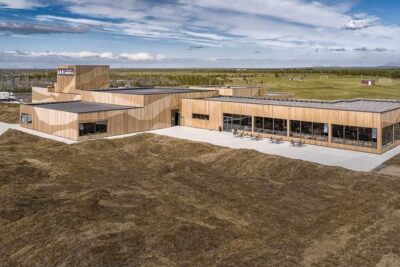
Ancient Historical Site Tour at the Caves of Hella
Read our review →
Browse the lists this tour appears in