Reviewed · REYKJAVIK TOURS
8-Days Guided Iceland Circle Tour from Reykjavík
Iceland packs an astonishing amount into a small island, and this eight-day Ring Road tour gives you a sensible way to see it without driving icy roads, checking weather alerts, or changing hotels every night on your own. You will move from Reykjavík to the north, east, south coast, and Golden Circle, with waterfalls, volcanoes, fjords, glaciers, hot springs, and local museums along the way.
I like the mix of famous sights and quieter stops, especially Glaumbær turf farm and the East Fjords. I also like that Mývatn Nature Baths are included, along with breakfast, airport transfers, and seven nights of lodging. The tradeoff is clear: this is a sightseeing circuit, not a slow holiday. Some days involve long stretches on the bus, and weather can change the route or timing.
Key points to know before booking
- Eight days around Iceland: Cover the main Ring Road sights from Reykjavík, with a return to the capital at the end.
- Small group format: The vehicle holds no more than 25 people, making it more personal than a large coach trip.
- Strong guide element: Guides such as Thor, Simone, Martina, Freyja, and Tryggvi have led departures, sharing Icelandic history, folklore, geology, and local life.
- Best included extra: Admission and towel rental at the Mývatn Nature Baths are included.
- A real mix of Iceland: Expect natural wonders, folk museums, horse culture, geothermal farming, fishing villages, and Reykjavík.
- Season matters: The Dettifoss detour runs from June through August, while winter departures provide ice grippers and a flashlight.
What this Iceland circle tour does well
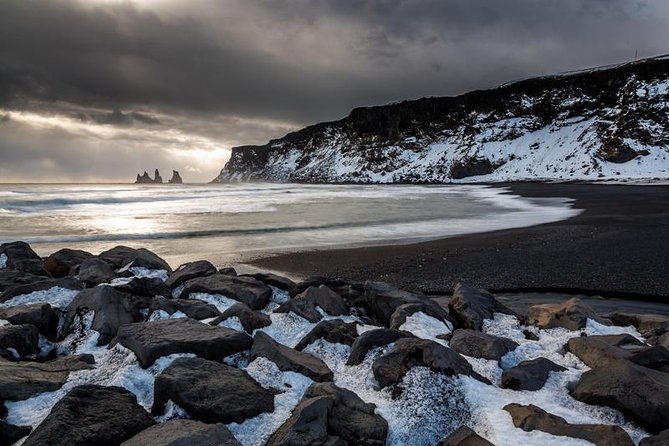
The main strength is variety. You are not spending eight days looking at one type of scenery. The route begins with volcanic craters and turf houses, moves through northern towns and geothermal fields, crosses the East Fjords, reaches the glacier country of southeast Iceland, then finishes with the Golden Circle.
That range gives you a better feel for Iceland than a short Reykjavík-based excursion. You see how the country shifts from settled farmland to fishing villages, from lava fields to glacier ice, and from old parliamentary sites to modern geothermal greenhouses.
I also value the fact that the tour includes smaller cultural stops. Glaumbær Museum, the Skógar Museum, a stone and mineral collection, an Icelandic horse stable, and a greenhouse add human scale to all those dramatic waterfalls. Iceland is more than scenery, and these visits help you understand how people have lived with the weather and volcanic ground.
The guide can make a major difference. Previous departures have featured guides including Thor, Simone de Graaf, Martina, Freyja, Tryggvi, and Hallthor. The strongest guide comments describe people who explain geology, folklore, history, current life, and local customs while keeping the drive relaxed. Simone was also praised for helping with ice clamp-ons, a useful reminder that small practical help matters in winter.
More day trips out of Reykjavik:
- Iceland: Northern Lights Bus Tour from Reykjavik
★ 4.1 · 11,161 reviews - From Reykjavik: Golden Circle, Kerid, & Secret Lagoon Tour
★ 4.8 · 6,009 reviews - Iceland South Coast Full Day Small-Group Tour from Reykjavik
★ 5.0 · 5,988 reviews
Day 1: Settle into Reykjavík before the road trip
The first day is deliberately light. You arrive in Reykjavík, use the included Flybus Plus airport transfer, and have time to rest or walk around the capital if your arrival schedule permits.
The hotel is described as being well placed for exploring on foot. That matters because you are not rushed straight into a sightseeing program after a flight. Use the time to adjust to Iceland’s light, weather, and pace.
The airport transfer has no guide, so do not expect a narrated arrival tour. It is simply a useful way to get from the airport to your hotel without arranging a separate ride.
Day 2: Grábrók Crater and Glaumbær’s turf houses
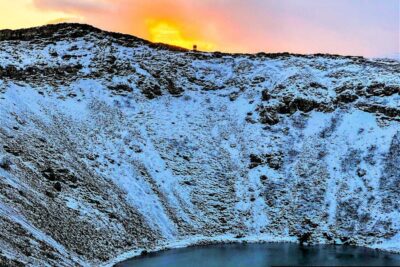
The guided portion begins at 9:00 in the hotel lobby. The first major stop is Grábrók, a roughly 3,000-year-old volcanic crater surrounded by moss-covered lava. A walk to the rim takes about 20 minutes, with around 45 minutes set aside for the visit.
This is a good early stop because it gives you a close look at Iceland’s volcanic origins. The walk is short rather than a serious hike, but the surface and weather can still make it feel more demanding. Winter departures include snow and ice gripper spikes, which should help on slippery sections.
At Glaumbær, you get a different view of Iceland. The museum is built around traditional turf houses, whose grass-covered walls and roofs reflect older building methods suited to a cold, treeless country. The visit lasts about 30 minutes, so it is brief, but it adds useful context after the volcanic scenery.
I like this pairing. Grábrók shows the forces beneath Iceland, while Glaumbær shows how people adapted to the ground above them.
Day 3: Akureyri, Goðafoss, and a long afternoon at Mývatn
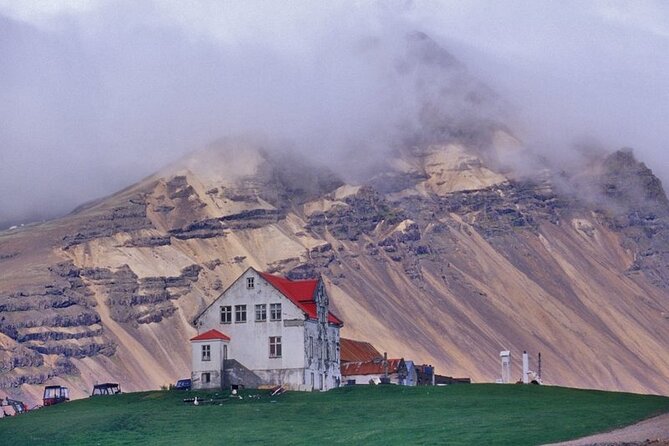
Akureyri is the largest town outside Iceland’s southwest corner and is often called the capital of the north. You have about two hours to explore, followed by 40 minutes in the botanical garden.
The garden contains about 7,000 plant species and has been open since 1912. It may sound like a quiet stop beside Iceland’s more dramatic sights, but that is part of its appeal. You get a break from the bus and a chance to see how plants can thrive in northern conditions.
Goðafoss, the Waterfall of the Gods, is next. The name connects to the moment Christianity became Iceland’s official religion, giving this short waterfall stop both visual and historical interest. Allow about 40 minutes for photographs and a walk near the falls.
The day then turns to Lake Mývatn, one of the tour’s richest natural areas. You see the lava formations at Kálfaströnd and walk among pseudo-craters. These rounded landforms look like volcanic craters but formed through steam explosions when hot lava met wet ground.
Two hours at the lake gives you more than a quick roadside photograph. You can take in the unusual geology and, in summer, the active bird life for which the area is known.
The best finish is the Mývatn Nature Baths. You have about two hours to soak in geothermal water with views across the area. Admission and towel rental are included, which makes this a genuine part of the tour rather than an optional splurge. After a full day of stops, the warm water is also practical, not just scenic.
A few more Reykjavik half-days worth a look
- Reykjavik: Golden Circle Full-Day Tour with Kerid Crater
★ 4.8 · 24,485 reviews - Reykjavik Food Walk – Local Foodie Adventure in Iceland
★ 5.0 · 18,952 reviews - Reykjavík: South Coast Waterfalls, Black Sand & Glacier Tour
★ 4.8 · 11,030 reviews - Reykjavík: Whale Watching and Marine Life Cruise
★ 4.6 · 9,838 reviews
Day 4: Lava castles, steaming ground, and seasonal Dettifoss
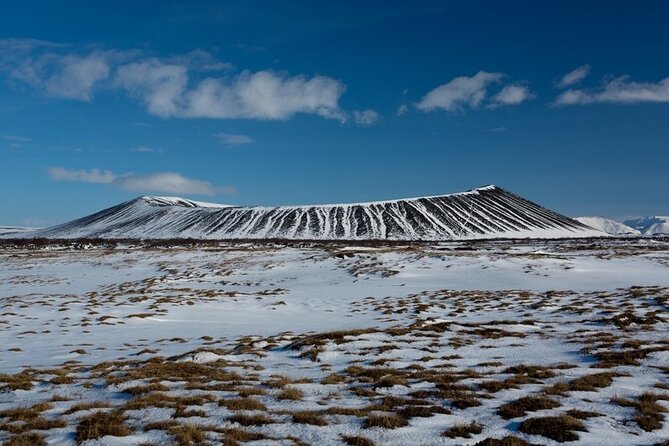
Dimmuborgir means dark castles, a fitting name for the twisted lava formations you explore in the morning. The walk lasts about 40 minutes and passes through a lava labyrinth associated with local troll stories.
This is one of the more atmospheric walks on the route. It is not a long trek, but uneven ground and winter conditions mean you should bring sturdy footwear. The supplied ice grippers and flashlight are intended for winter departures, not as a promise of easy walking in every condition.
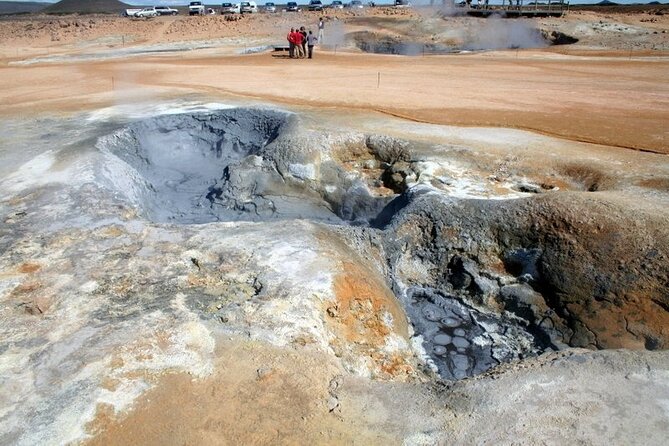
At Námaskarð, the scenery changes again. Bubbling mud pools and steaming solfataras show geothermal activity at close range. Keep to the marked paths and follow the guide’s instructions, since this is active ground rather than a normal park.
From June through August, the route includes a detour to Dettifoss. It is described as Europe’s most powerful waterfall, and the northern setting in Vatnajökull National Park adds to the drama. The visit lasts about 40 minutes.
The seasonal detail is important. If Dettifoss is a top priority, check the departure period before paying. The itinerary also depends on Icelandic weather and road conditions, so exact timing can change.
Day 5: The East Fjords and Vatnajökull
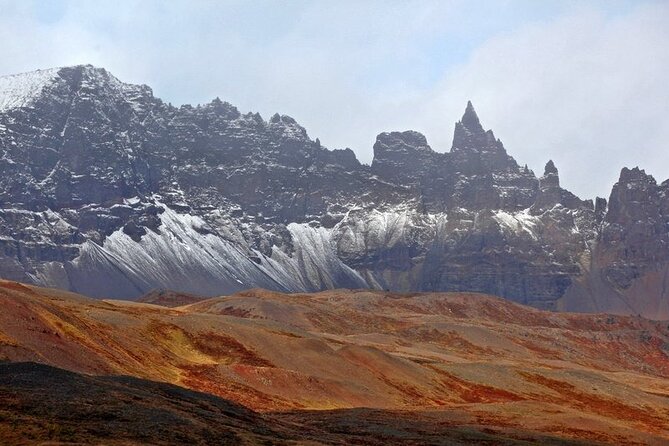
Day five is the longest scenic travel day, with about seven hours devoted to the East Region. The road winds past steep fjords, small fishing villages, and remote settlements at the ends of twisting roads.
This is a day for watching Iceland unfold through the vehicle windows. You are not hopping from one major attraction to the next. Instead, you see the quieter side of the country, where the scale of the mountains and sea can make tiny villages feel wonderfully remote.
The route includes an interesting stone and mineral collection, adding another small cultural stop to the circuit. Later, Vatnajökull comes into view. It is Europe’s largest glacier and can be seen across much of southeast Iceland.
The drawback is the amount of time spent on the road. If you dislike long drives, this day may test your patience. If you enjoy changing scenery and prefer a guide to handle the route, it is one of the most rewarding stretches.
Day 6: Icebergs, Diamond Beach, and the south coast
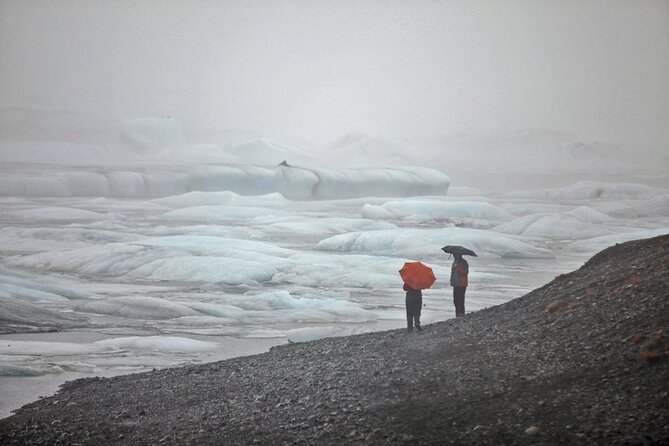
Jökulsárlón is one of Iceland’s signature sights. The glacial lagoon is filled with floating icebergs, and seals may be visible in the water. The scheduled stop is about 40 minutes, enough to walk along the edge and take photographs, though you may wish for more time.
Across the road is Fellsfjara, better known as Diamond Beach. Icebergs from the lagoon wash onto the black sand, where they look like chunks of glass scattered along the shore. The visit lasts about 20 minutes, so use the time well and watch the waves.
The route continues through Vatnajökull National Park, home to Iceland’s highest mountains, an alpine environment, and the country’s largest glacier. You then stop in Vík for photographs before visiting Reynisfjara Beach.
Reynisfjara combines black lava sand, columnar basalt, caves, rock formations, and heavy surf. It is beautiful, but the sea here deserves respect. Stay well back from the water and follow the guide’s instructions. The short visit is enough to enjoy the cliffs without treating the beach as a carefree swimming spot.
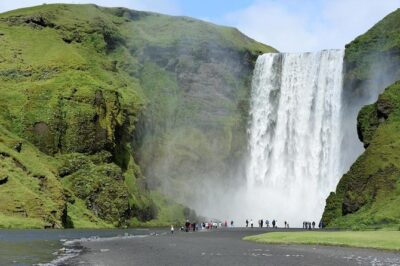
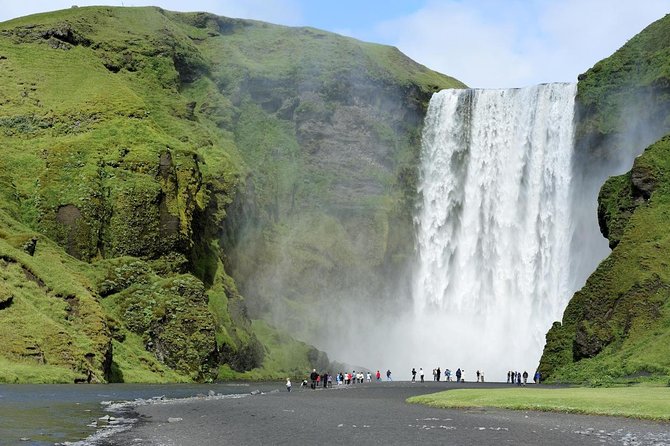
Skógafoss is a 60-meter waterfall near the village of Skógar. Its broad drop makes it one of the most impressive falls on the route. You have about 40 minutes, followed by an hour at the Skógar Museum.
The museum’s turf houses and collections bring Iceland’s past down to a human scale. After glaciers, beaches, and waterfalls, you see tools, buildings, and traditions connected to everyday life.
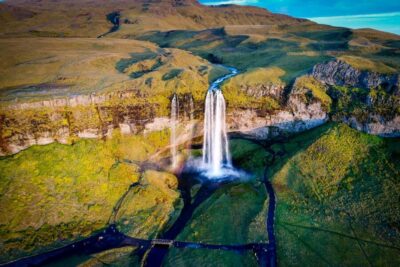
Seljalandsfoss finishes the day. This narrow waterfall drops from an overhanging lava cliff, and a path can take you behind the falling water. You should expect to get wet, so pack waterproof clothing or keep a rain jacket handy. Admission is included.
It is a packed day, but the sights are varied enough to keep it interesting. The stops are short, so this is a place to accept photographs and first impressions rather than a long walk at each site.
Day 7: Horses, greenhouses, Geysir, Gullfoss, and Thingvellir
The final sightseeing day brings you to the Golden Circle, but begins with two distinctly Icelandic experiences. At Fridheimar, you learn about the Icelandic horse and visit a geothermal greenhouse.
The greenhouse shows how geothermal heat can support food production in a country with a challenging climate. The horse visit adds a cultural detail that many waterfall-focused tours skip. Together, these stops help explain how Iceland uses its natural resources.
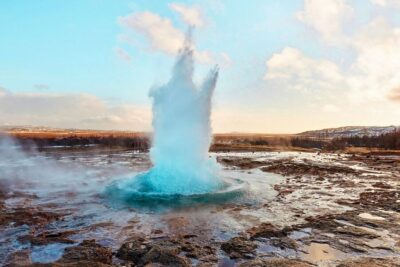
At Geysir, you walk among hot springs and bubbling pools. The original geyser is dormant, but Strokkur erupts every five to ten minutes. The 90-minute visit gives you time to wait for several eruptions and explore the surrounding geothermal area.
Gullfoss is next, where the Hvítá River drops 32 meters in two cascades. Spray and rainbows are common on a sunny day, though Iceland never promises the weather needed for the full effect. Allow about 40 minutes.
Thingvellir National Park is the final major stop. It has UNESCO World Heritage status and was the site of the Alþingi, described as the oldest existing national parliament in the world. The park also offers a striking geological setting, with large fissures across a plain beside Lake Thingvallavatn.
You have about 45 minutes here, enough for a walk and an introduction to the site. I consider Thingvellir essential because it joins Icelandic politics, religion, geology, and national identity in one place.
The day ends back in Reykjavík, with about an hour to enjoy the capital’s highlights. You may have enough energy for a short walk or dinner, but do not count on a full evening of sightseeing after seven days on the road.
What is included, and what will cost extra
The $3,386.15 price per person is not a cheap way to see Iceland, but it covers far more than transportation. You receive:
- Seven nights of accommodation
- Breakfast
- Arrival and departure Flybus Plus airport transfers
- A six-day escorted bus tour with an English-speaking guide or driver-guide
- Air-conditioned transportation
- WiFi on board
- Mývatn Nature Baths, including towel rental
- Small local museum visits
- An Icelandic horse stable and geothermal greenhouse visit
- Winter ice grippers and a flashlight
- Parking fees
Breakfast is the only meal included. You need to budget separately for lunches, dinners, drinks, and other personal services. The available food choices can vary, and one past departure had difficulty finding vegetarian options, so vegetarian visitors should plan ahead and carry suitable snacks.
The price makes the most sense for you if you value convenience and expert commentary. You avoid car rental, fuel, accommodation planning, winter driving, and the stress of deciding which roads are safe. It makes less sense if you want complete control over meal stops, hiking time, hotel locations, or the daily pace.
Group size, comfort, and the guide’s role
The maximum group size is 25 people. That is small enough to feel more manageable than a large sightseeing coach, though it is not a private tour. The vehicle has WiFi, and the air conditioning is useful when the bus is full.
The guide is central to the experience. Strong departures have included guides praised for explaining Icelandic history, folklore, geology, biology, sociology, and current life. Thor, Simone, Martina, Freyja, Tryggvi, and Hallthor are among the names connected with past tours.
You should also expect a capable driver-guide rather than a separate lecturer and chauffeur. That arrangement can make the days feel personal, but it means the guide must balance driving, safety, timing, and commentary. Weather can also force changes, especially in winter.
Who should book this tour
I would choose this tour if you want to see most of Iceland in one trip and prefer not to drive. It suits first-time visitors, couples, solo visitors who want company, and anyone who values a guide’s explanation of what they are seeing.
It also suits people who want more than the Golden Circle. You get northern Iceland, the East Fjords, glacier country, black beaches, museums, and Reykjavík in one organized route.
I would hesitate if your ideal holiday means sleeping several nights in one place, taking long hikes, or lingering at every waterfall. The itinerary moves quickly, and the East Fjords day is long. You should also be comfortable with outdoor conditions, uneven paths, wind, spray, and cold weather.
The cancellation terms are strict: the experience is non-refundable and cannot be changed after booking. A minimum number of participants is required, though a cancellation for that reason offers a different date or experience, or a full refund. Confirmation is sent within 48 hours, subject to availability.
My verdict on the eight-day Iceland Circle
Book this tour if you want a well-planned first look at Iceland with strong natural scenery, useful cultural stops, and a guide who can add meaning to long drives. The included baths, breakfasts, airport transfers, museums, and seven nights of lodging improve the value, even though the upfront price is high.
Skip it if you want a self-drive adventure or a slower base-and-explore holiday. For most first-time visitors who want to circle the island without taking on Iceland’s roads themselves, this is a practical and impressively varied choice.
FAQ
How long is the tour?
The experience lasts approximately eight days and includes seven nights of accommodation in Iceland.
Where does the tour start?
The meeting point is Reykjavik Natura, Berjaya Iceland Hotels, at Nauthólsvegur 52 in Reykjavík.
Is airport transportation included?
Yes. Arrival and departure airport transfers by Flybus Plus shuttle are included. These transfers do not include a guide.
What meals are included?
Breakfast is included. Additional meals, drinks, and services are not included.
Is the Mývatn Nature Baths admission included?
Yes. Admission to the Mývatn Nature Baths and towel rental are included.
How large is the tour group?
The tour has a maximum of 25 participants.
Is the Dettifoss visit included all year?
The detour to Dettifoss is included from June through August. The supplied details do not state that it is included during other departure periods.
Just added around Reykjavik
- Northern Lights Private Tour from Reykjavik★ 5.0 · 3 reviews
- Private South Coast Tour: A Journey to Iceland’s Stunning Shore★ 4.5 · 3 reviews
- Golden Circle Private Tour Tomato Soup Lunch and Secret Lagoon with Photography★ 5.0 · 3 reviews
- Hot and cold G spots challenge★ 5.0 · 3 reviews
- Personalised Travel Plan and itinerary for Iceland★ 4.5 · 3 reviews
- Authentic Reykjavik Food Tour with Flea Market Delights★ 4.2 · 3 reviews
- Blue lagoon Premium and Private Golden circle tour★ 5.0 · 3 reviews
- Exclusive Westman Islands Adventure – A Private Day Tour★ 5.0 · 3 reviews
Reykjavik Tours, compared.
Golden Circle Full-Day Tour with Kerid Crater
Read our review →
Reykjavik Food Walk – Local Foodie Adventure in Iceland
Read our review →
South Coast Waterfalls, Black Sand & Glacier Tour
Read our review →
Sky Lagoon Entrance Pass With 7-Step Spa Ritual
Read our review →